
Moving From NYC to Greenwich? Riverside Buying Basics
January 15, 2026
January 15, 2026
Trading subway transfers for a Metro-North ride and a backyard sounds simple, but the buying process in Greenwich works differently than it does in NYC. If you are targeting Riverside for its train access and turnkey homes, a few local norms can shape your offer, due diligence, and timeline. This guide breaks down what changes, what stays the same, and how to prepare so you can move with confidence. Let’s dive in.
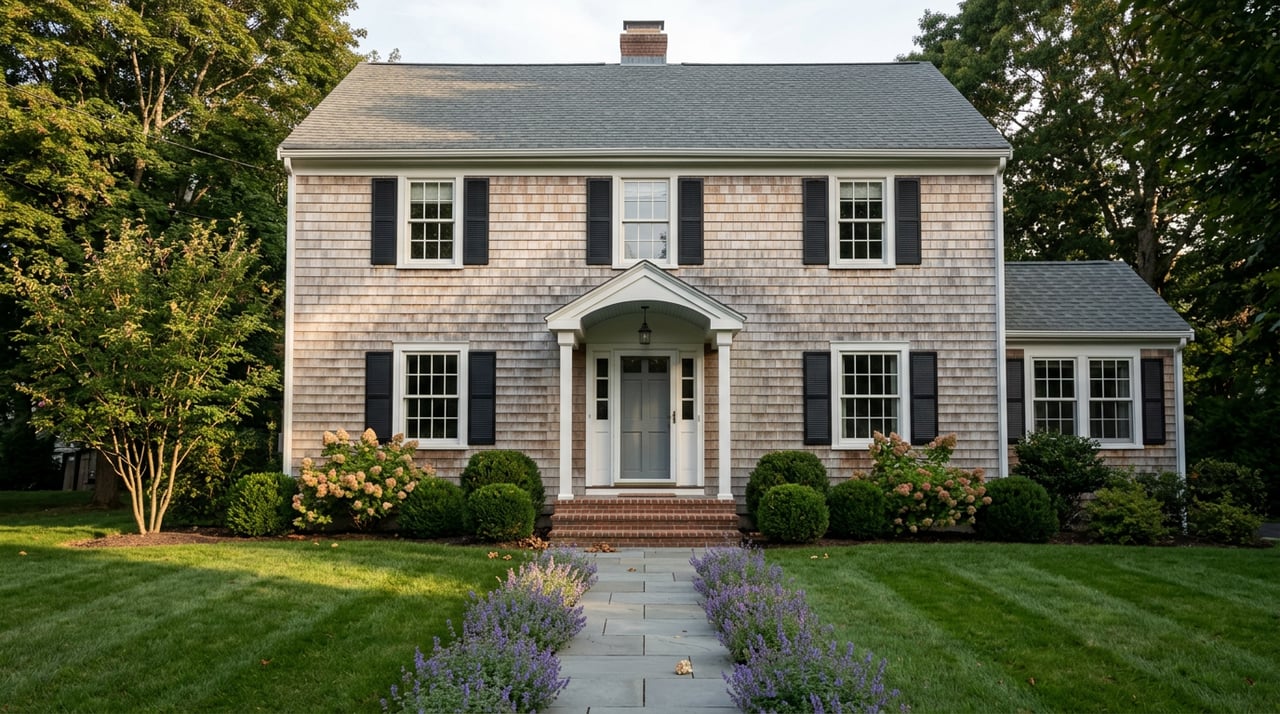
Riverside sits on the Metro-North New Haven Line and attracts buyers who want a straightforward commute and single-family living. You will find more standalone homes than you see in most NYC neighborhoods, along with some condos and a handful of historic properties. Demand is often strongest for move-in-ready homes near the train, which can lead to competitive bidding during low-inventory periods.
As you compare homes, remember that suburban ownership brings land and system responsibilities you may not have managed in a condo or co-op. In parts of Greenwich, you will encounter coastal flood zones, wetlands rules, older chimneys, and oil or gas heating systems. Confirm current train schedules directly with the operator before estimating commute times and plan for parking and last-mile logistics.
In Connecticut, your offer is typically formalized in a written Purchase and Sale Agreement that your agent and your Connecticut attorney help prepare and review. This is different from NYC co-op or condo purchases, where building bylaws or board approvals often shape the process. You will not deal with a co-op board in most Riverside single-family transactions, which can simplify steps after you sign.
Earnest money, also called a deposit, is customary in both markets. In competitive Greenwich neighborhoods, sellers may expect a more substantial deposit to show commitment. Exact amounts vary by price point and market conditions, so follow your agent and attorney’s guidance for what is customary at the time you bid.
Inspection and financing contingencies are common in Greenwich. Sellers of turnkey homes often prefer shorter timelines or limited repair requests, but waiving protections increases risk. NYC condo buyers sometimes waive contingencies in hot buildings, yet single-family purchases in Riverside carry site and system variables that make a full inspection advisable.
Multiple offers are possible for renovated homes near the train. Some sellers invite best-and-final rounds, and escalation clauses may be used. Their effectiveness depends on the seller’s priorities, the property’s condition, and local norms at that moment. Your agent can help you calibrate price, terms, and timing.
A typical Riverside single-family purchase involves a broader inspection suite than most NYC condo or co-op deals. Expect to plan for:
Your team should confirm building permits and town records for past renovations. If the home is near tidal waterways or wetlands, ask about setbacks and conservation rules. For homes with oil tanks, your attorney can discuss environmental testing or escrow approaches.
Post-inspection negotiations in Greenwich often involve targeted repair requests, closing credits, or seller-performed fixes. In more competitive situations, sellers may resist major concessions. Prioritize safety and system issues over cosmetic items and balance your asks with your desire to secure the property.
A turnkey listing focuses on finishes and convenience, but underlying systems still need verification. A full inspection is recommended, and some sellers may provide pre-listing inspection reports to speed decisions. Review any available warranties for roofs, HVAC, and major appliances.
Connecticut buyers generally engage a real estate attorney to draft or review the Purchase and Sale Agreement, coordinate title work, and conduct the closing. Your attorney also manages contingency timelines, reviews disclosures, and aligns logistics with your lender.
Your attorney or title company will review land records, check for deed restrictions and easements, and confirm survey status. If a recent survey is missing, your lender may require one. Closings typically occur at an attorney or title office, and customary costs are allocated per local practice. Ask your attorney what to expect so your cash-to-close calculation is clear.
Local counsel understands Greenwich-specific recording practices, survey expectations, and neighborhood issues such as flood zones, wetlands, septic standards, and oil tanks. That insight can prevent delays and reduce surprises as you move from contract to close.
While every deal is different, many Riverside purchases follow this general rhythm:
You deserve advice that pairs local know-how with disciplined strategy. Brid Mortamais has lived and worked in Greenwich for more than a decade and focuses on commuter-friendly neighborhoods like Riverside. She brings a finance background to pricing and negotiation, a trusted network of inspectors, attorneys, and lenders, and bilingual support in English and French for cross-border moves. From first tour to keys in hand, you get boutique, hands-on guidance backed by Compass tools.
If you are weighing a move from NYC to Riverside, let’s talk through timing, neighborhoods, and a strategy tailored to your goals. Connect with Brid Mortamais to get started.
Stay up to date on the latest real estate trends.






Brid is a full-time agent with a deep understanding of the local market and provides exceptional service for each of her clients whether they are renting, buying, or selling. She handles every aspect of each real estate transaction, guaranteeing her buyers and sellers the highest level of honesty, attention, and discretion.