Choosing Between Condos and Townhouses in Downtown Greenwich
December 4, 2025
December 4, 2025
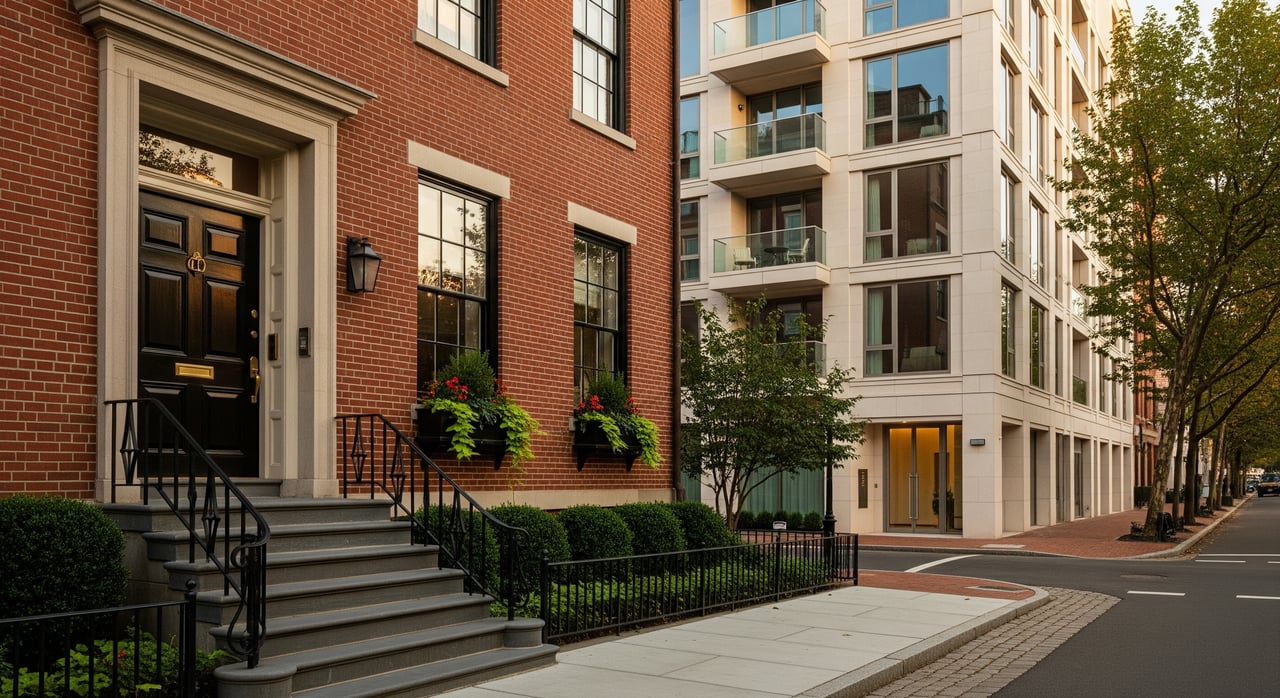
Choosing between a condo and a townhouse in Downtown Greenwich can feel like a tug-of-war between walk-to-train convenience and the comfort of private parking and space. If you split time between Greenwich and Manhattan, or you want a true lock-and-leave setup, the details matter. In this guide, you will learn what ownership really means, how HOA dues and rules work, what to expect for maintenance and insurance, and how parking and commuting compare near the Greenwich Avenue corridor. Let’s dive in.
Understanding the legal form of ownership is your first and most important step. A condominium means you own your interior unit and share an undivided interest in the common elements, with an association that manages building maintenance and rules. A townhouse describes an attached, multistory home, but the legal form can be fee-simple or structured as a condo; in Downtown Greenwich, both exist. Never assume a “townhouse” is fee-simple until you verify the deed and any association documents.
In most condos, the association handles exterior elements and shared systems. You focus on your interiors while relying on the building’s budget, reserves, and management to care for the exterior, roof, snow removal of common areas, and landscaping. Fee-simple townhouse owners usually handle their own structure and the land tied to their unit, though some HOAs take on certain exterior tasks depending on the declaration. Townhouse communities that are legally condos may offer exterior services more similar to apartment-style condos, so always confirm responsibilities in writing.
Association fees vary widely downtown. Smaller conversion buildings may have lower dues with fewer services, while full-service luxury properties can include doorman, central utilities, garage parking, and on-site maintenance with higher dues. Rather than chasing averages, evaluate each building’s services, reserves, and governance.
In a condo, the HOA typically maintains exteriors and common systems, while you maintain your interior space. In a fee-simple townhouse, you often handle siding, roof, and driveway unless the HOA agreement covers them. That difference affects both your weekend workload and your annual budget.
Insurance follows form. Condo owners generally carry an HO-6 policy for interior improvements, personal property, and liability, often with loss assessment coverage. Fee-simple townhouse owners use a homeowner policy, such as HO-3, that covers the structure and land. For condos, verify whether the master policy is walls-in or bare-wall, since that changes your replacement coverage needs and premiums.
If you want minimal upkeep while you travel or commute, condos usually make this simpler. Full-service buildings can offer secure access, package handling, and on-site maintenance. Townhouses can work well too if the HOA covers exterior tasks, but some owners will plan for lawn and snow services, proactive security systems, and local property support during longer absences.
Downtown Greenwich is highly walkable, especially around Greenwich Avenue’s shops, dining, and services. The Greenwich Metro-North station is the main downtown hub, and express trains to Grand Central commonly take about 45 to 60 minutes depending on the schedule. Homes within a 5 to 10 minute walk often command a convenience premium for commuters.
Parking plays out differently by property type. Many condo buildings provide garage parking that is deeded, assigned, or by permit; confirm how many spaces you get, guest parking availability, and costs for additional vehicles. Townhouses often include private driveways and attached garages, which can be a major advantage for multi-car households or occasional drives to the city. Station parking is limited and governed by town permits and fees, with some areas using waitlists, so factor that into your daily routine.
Expect activity near the station during peak hours and periodic congestion along Greenwich Avenue. Many buyers find a one-car or car-optional lifestyle realistic when they are close to the Avenue and the train.
Total monthly carry costs include municipal property taxes, utilities, and, for condos and many townhouse communities, HOA dues. Condo dues can be a significant part of your monthly spend, though they also bundle services that reduce out-of-pocket maintenance. Fee-simple townhouses may have smaller or no dues but can carry higher variable costs for exterior upkeep.
Lenders review condo association health, reserves, and litigation exposure. Some projects face stricter underwriting around owner-occupancy and reserve levels. Fee-simple townhouses are often simpler to finance, though shared elements and easements still require review.
Condos near Greenwich Avenue tend to attract professionals, frequent commuters, and buyers who value low maintenance and building services. Townhouses often appeal to those seeking a more house-like layout, private outdoor space, and garage parking. For both property types, proximity to the station and the Avenue’s amenities generally supports value over time.
If you want a tailored, side-by-side comparison of specific buildings and townhomes on or near Greenwich Avenue, reach out to Brid Mortamais. You will get clear, data-driven guidance with a focus on your lifestyle, commute, and total carry costs.
Stay up to date on the latest real estate trends.
Brid is a full-time agent with a deep understanding of the local market and provides exceptional service for each of her clients whether they are renting, buying, or selling. She handles every aspect of each real estate transaction, guaranteeing her buyers and sellers the highest level of honesty, attention, and discretion.