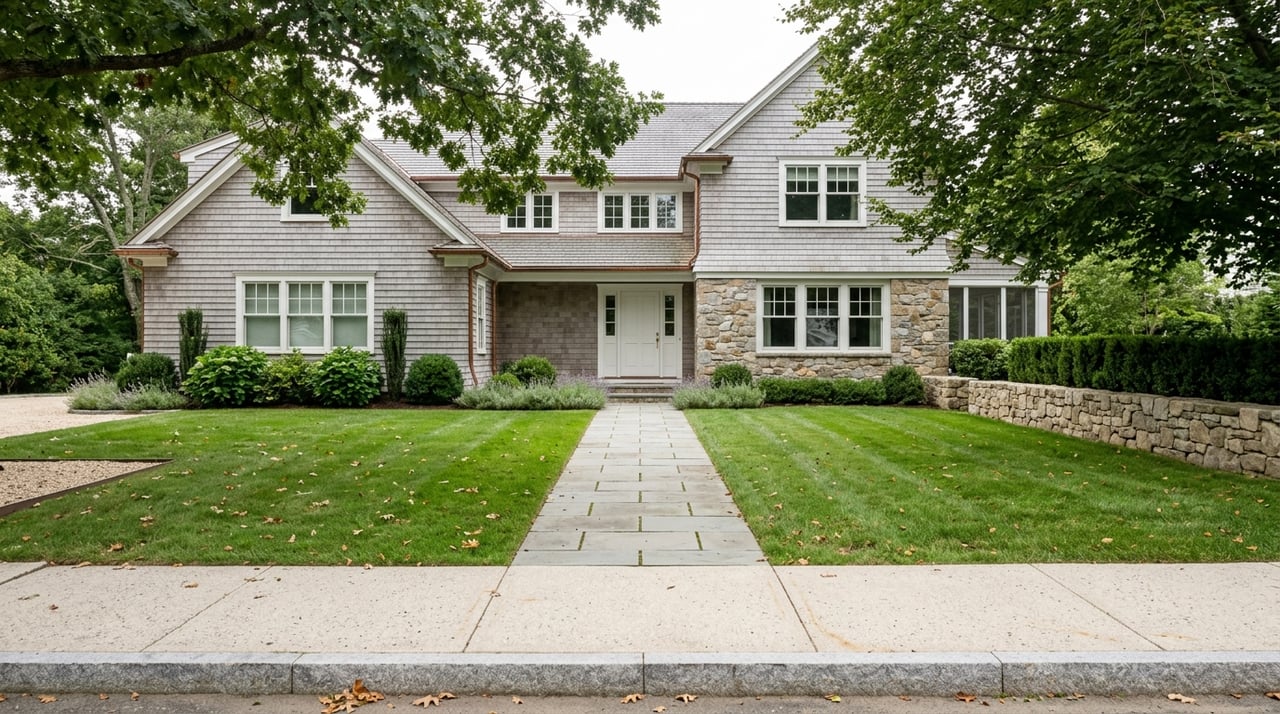
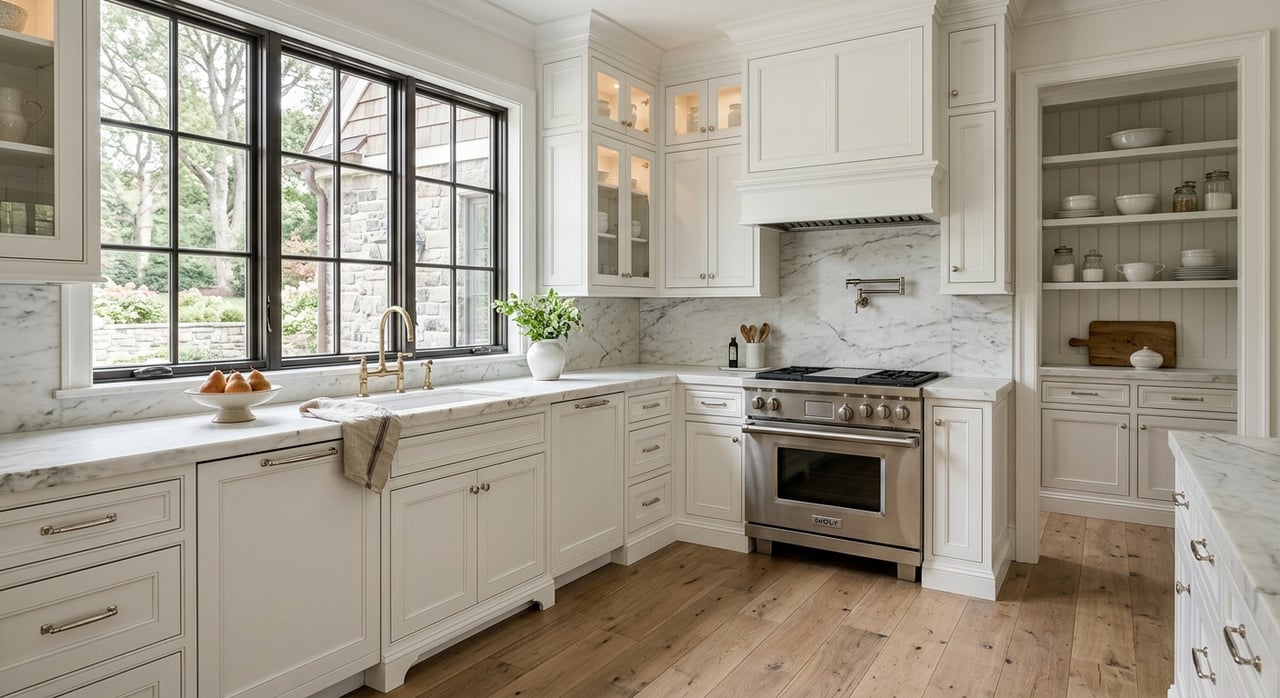
When is the best time to make a move in Greenwich? If you are planning a sale or purchase this year, timing can shape your experience, your stress level, and your outcome. Seasonality in Greenwich is real, but it also shifts with mortgage rates, luxury demand, and the school calendar. In this guide, you will learn what typically happens each quarter, how local factors can nudge the timeline, and how to prepare with confidence. Let’s dive in.
How Greenwich seasonality works
Most years, spring brings the largest wave of new listings and buyer activity. Summer stays active, fall tapers, and winter is quieter with fewer but more motivated buyers. These patterns influence three key things you feel on the ground: available inventory, buyer traffic, and days on market. Pricing pressure often follows, with more competition in peak seasons and more negotiation room in slower months.
Recent years introduced new twists. Mortgage-rate spikes and volatility since 2022 shifted some of the usual spring surge. Luxury and second-home segments in Greenwich often run on their own calendar, with steady interest year-round and visible spikes in late spring and summer. Treat the patterns below as tendencies, then check current monthly or quarterly data before you decide.
Quarter-by-quarter guide
Q1: Jan–Mar
- Inventory typically starts low in January, then builds through February and March.
- Buyer activity begins modestly and ramps up by March as serious shoppers return.
- Days on market often run longer in January and shorten as spring approaches.
- Pricing is sensitive early in the quarter, then competition firms up for well-priced homes.
What this means for you:
- Sellers: Use January for repairs, staging, and pre-listing prep so you can capture late February or March buyers.
- Buyers: Get pre-approved and line up your team. If you want a spring closing, start tours by late Q1.
Q2: Apr–Jun
- Inventory usually peaks in April and May as many sellers go live.
- Buyer activity is typically the highest of the year. Families, relocators, and local upgraders are all in.
- Days on market tend to be shortest due to strong demand.
- Pricing pressure is strongest. Multiple-offer scenarios are more common on well-positioned homes.
What this means for you:
- Sellers: This is prime exposure. Presentation and pricing discipline matter most now.
- Buyers: Move quickly on the right fit and have inspectors, attorneys, and lenders ready.
Q3: Jul–Sep
- Inventory declines from spring peaks but often remains above winter levels.
- Buyer activity can be strong early in summer, with another push in August and early September.
- Days on market lengthen compared to spring but remain reasonable for move-in-ready homes.
- Pricing is still competitive for family-friendly properties, with slightly more room to negotiate than in Q2.
What this means for you:
- Sellers: Early July can capture summer buyers. If you missed spring, a late-summer debut can work.
- Buyers: Expect more negotiation room than spring, especially on homes that need updates.
Q4: Oct–Dec
- Inventory typically falls to yearly lows by November and December.
- Buyer traffic is lighter, but many who remain are motivated by relocations or deadlines.
- Days on market vary. Well-priced listings can still move quickly.
- Pricing and terms can be more flexible due to lower competition.
What this means for you:
- Sellers: Consider Q4 only if you are motivated or targeting relocation-driven buyers.
- Buyers: Use the quieter period to negotiate on price or terms, while accepting fewer choices.
Local factors that shift timing
- Commuter cycles to NYC. Corporate relocations and the financial sector’s hiring and bonus cycles can add late Q1 and Q2 momentum.
- School calendar. Families often plan moves to be settled before August or September, which increases spring and early summer demand.
- Seasonal residents and second homes. Some sellers list to align with summer occupancy, which can boost late spring and summer activity.
- Luxury and waterfront. These segments can be episodic, with longer marketing windows, larger properties, and fewer direct comparables.
- Permits and renovations. Greenwich permitting, contractor schedules, and historic-home considerations can extend prep timelines. Start early if you plan spring or summer.
- Weather and presentation. Landscaping, pools, and waterfront views show best in spring and early summer, which supports those listing windows.
Timelines to prepare
Greenwich rewards organized preparation. Here are conservative timing ranges so you can plan with confidence.
- Mortgage pre-approval: 1 to 2 weeks when documents are ready.
- Major renovations: 8 to 16+ weeks depending on permits and scope.
- Cosmetic prep, staging, decluttering: 2 to 6 weeks.
- Photography and listing setup: 1 to 2 weeks.
- Inspection to closing: 30 to 45 days for many deals, allow 45 to 60 days for complex situations.
Seller planning windows
- Targeting late March to May listing: Begin in January. Book contractors, pull permits if needed, declutter, and line up staging and photography. Plan 8 to 12 weeks from start to launch.
- Targeting June to July listing: Start major work in March or April. Complete cosmetic work by May.
- Targeting September listing: Begin in June or July to catch late-summer and early fall buyers.
- Targeting November to December listing: Prep in August to October. Consider Q4 if you want limited but motivated exposure.
Buyer preparation windows
- Buying in spring with a June to August close: Start pre-approval and research in January to February. Expect faster decisions April to May.
- Buying for summer closings: Begin in March to May. Competition remains steady in early summer.
- Buying in fall or winter: Start in August to November. You may find better terms, though there will be fewer options.
Smart prep checklists
Seller checklist
- 10 to 12 weeks before listing: Request a pricing analysis and pre-listing comps, meet contractors for estimates, start major repairs or permits.
- 4 to 8 weeks before listing: Deep clean, declutter, stage, finish cosmetic updates, schedule photography.
- 1 to 2 weeks before listing: Finalize marketing copy, capture professional photos including twilight where appropriate, schedule broker open.
- Launch week: Monitor feedback and showing volume, and be ready to adjust quickly if needed.
Tip: If you plan improvements, ask about solutions like Compass Concierge to streamline cosmetic prep and presentation.
Buyer checklist
- 6 to 8 weeks before your target offer window: Get fully pre-approved, define your neighborhoods, and set clear search parameters.
- 2 to 4 weeks before active tours: Preview similar homes to calibrate your expectations on price, size, and condition.
- During the search: Pre-select an inspector, attorney, and lender so you can move fast in competitive moments.
Negotiation and closing realities in Greenwich
In hot spring markets, good listings can receive offers within days. Act decisively, but weigh contingencies with care. In slower seasons, you can often negotiate price, credits, or repairs. Plan for a 30 to 45 day contract-to-close timeline, and budget extra time for complex deals. Waterfront, septic, or coastal reviews can add steps, so engage local experts early.
What to watch each quarter
Tracking a few metrics helps you read the market in real time:
- Active inventory and new listings to gauge supply.
- Pending-to-active ratio to measure demand.
- Months of inventory and absorption rate to understand balance.
- Median days on market to sense speed.
- Median sale price and price per square foot to track pricing trends.
- List-to-sale price ratio for negotiation pressure.
- Closed sales for confirmed demand.
For the most current picture, review monthly or quarterly data from local sources such as SmartMLS through your brokerage, the Greenwich Board of Realtors, and the Connecticut Association of Realtors. Compare the current quarter to the same period last year and to the prior quarter, and separate insights by price tier and property type, including waterfront versus non-waterfront.
When should you list or buy?
If your goal is maximum exposure and a larger buyer pool, spring is typically your best bet. If you prefer less competition and more time to negotiate, late fall and winter can work well. Your optimal timing depends on your price tier, property type, and personal deadlines. A clear plan that matches your timeline with market patterns will put you in the strongest position.
Plan your move with a local advisor
Whether you are preparing a spring showcase or scouting a quiet winter opportunity, a tailored strategy makes the difference. If you value analytical pricing, discreet white-glove service, and marketing reach backed by Compass tools, connect with an advisor who knows the nuances of Greenwich neighborhoods and luxury segments. Ready to map your timeline and next steps? Let’s talk with Brid Mortamais.
FAQs
What is the best time to list a home in Greenwich?
- Spring, especially April to June, typically brings the largest buyer pool and strongest competition, but well-presented homes can sell efficiently in any season.
Do buyers get better deals in winter in Greenwich?
- Possibly, since competition is lower and some sellers are motivated, but choices are fewer and final pricing still depends on overall inventory and demand.
How long does it usually take to sell a home in Greenwich?
- It varies by season and price tier. Expect faster movement in spring and allow weeks to months in other seasons, depending on condition and pricing.
How do mortgage rates change seasonal patterns in Greenwich?
- Higher rates can dampen spring demand and extend timelines. Lower or falling rates usually amplify spring activity and speed up decisions.
Should I renovate before listing my Greenwich home?
- Cosmetic updates and staging often deliver the best short-term return. Major renovations can help but need more time. Review costs and likely impact with a local advisor.