Preparing A Backcountry Greenwich Estate For Today’s Buyer
July 23, 2026
July 23, 2026
Are you preparing to sell a backcountry Greenwich estate and wondering what today’s buyers actually notice first? In a market where presentation, pricing, and digital first impressions all carry real weight, simply maintaining a property is often not enough. If you want your home to stand out in 06830, this guide will walk you through the updates, staging priorities, and timing considerations that matter most. Let’s dive in.
Greenwich’s upper-end market continues to reward homes that show well and launch with discipline. In June 2026, Greenwich single-family homes sold at a median price of $3,812,500, with an average of 37 days on market and 122 active single-family listings at month-end. Townwide data also suggested stronger demand for properties above $4 million.
That matters for backcountry sellers because buyers at this price point tend to compare properties carefully. Greenwich’s seller guidance notes that move-in-ready homes often command a premium, while homes that feel outdated may need price adjustments. In 2025, 57% of residential homes sold on the Greenwich MLS closed at or above list price, and 73% closed within 60 days.
The takeaway is simple: your estate should aim to feel turnkey, polished, and correctly priced. Today’s buyer is not just evaluating square footage or acreage. They are evaluating ease, quality, and how much work they will need to do after closing.
Before many buyers ever book a showing, they are screening homes online. In 2025 buyer research, 83% of internet-using buyers rated photos as very useful, 57% said the same for floor plans, 41% for virtual tours, and 29% for videos.
For a backcountry estate, that online-first behavior raises the bar. If the listing photography, staging, and layout presentation do not feel compelling, some buyers may move on before they ever experience the setting in person. That is especially important for larger properties, where the grounds, approach, and outdoor amenities are part of the story.
This is one reason prep should happen before photography, not after. Once your home goes live, buyers will form opinions quickly, and first impressions can be hard to reset.
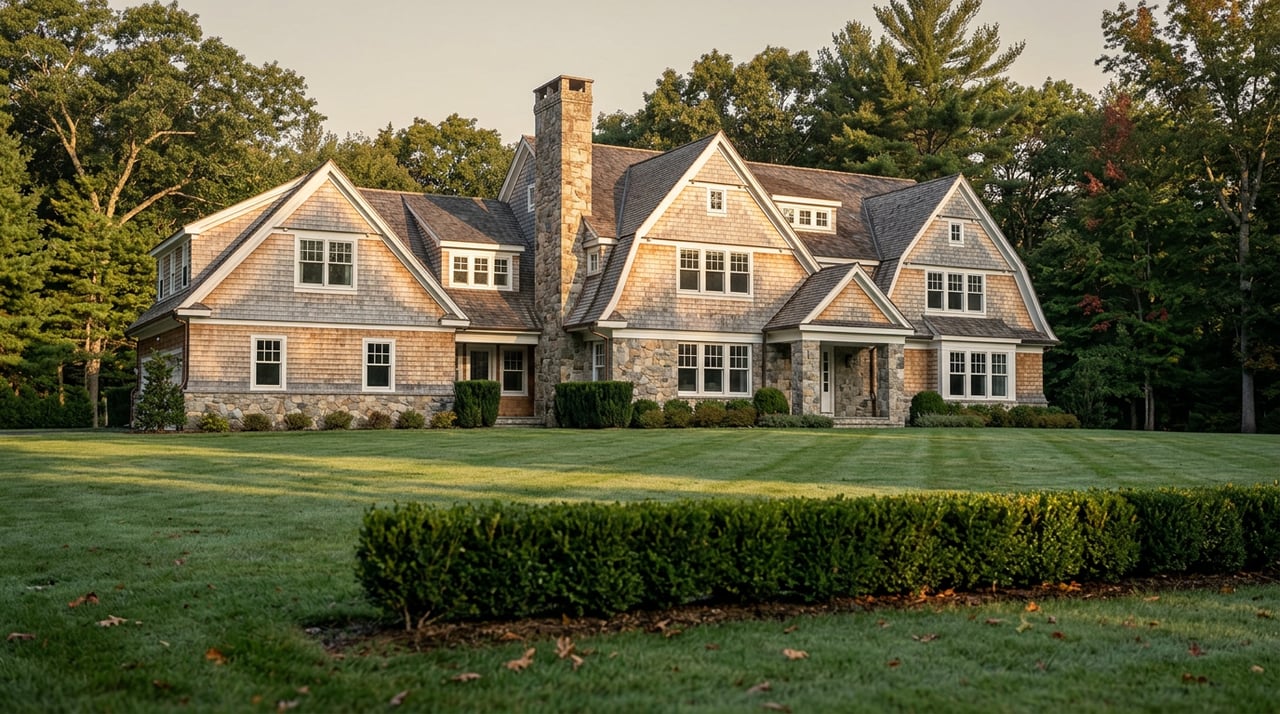
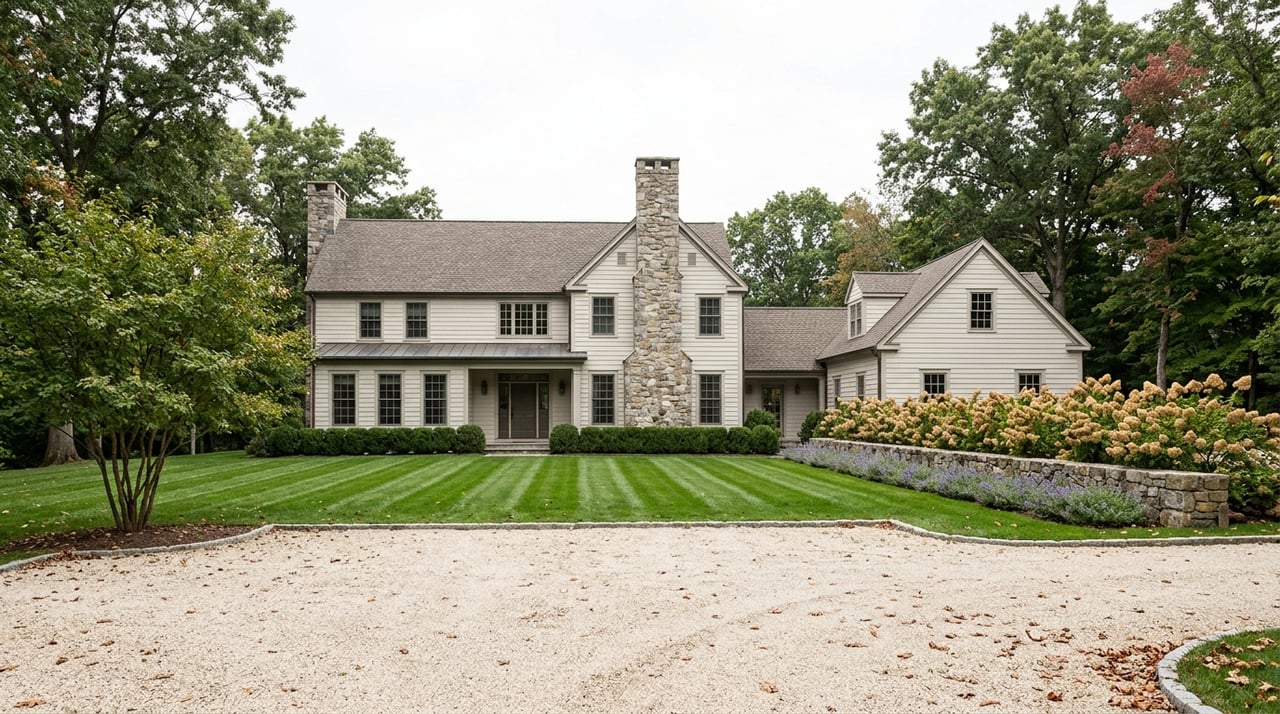
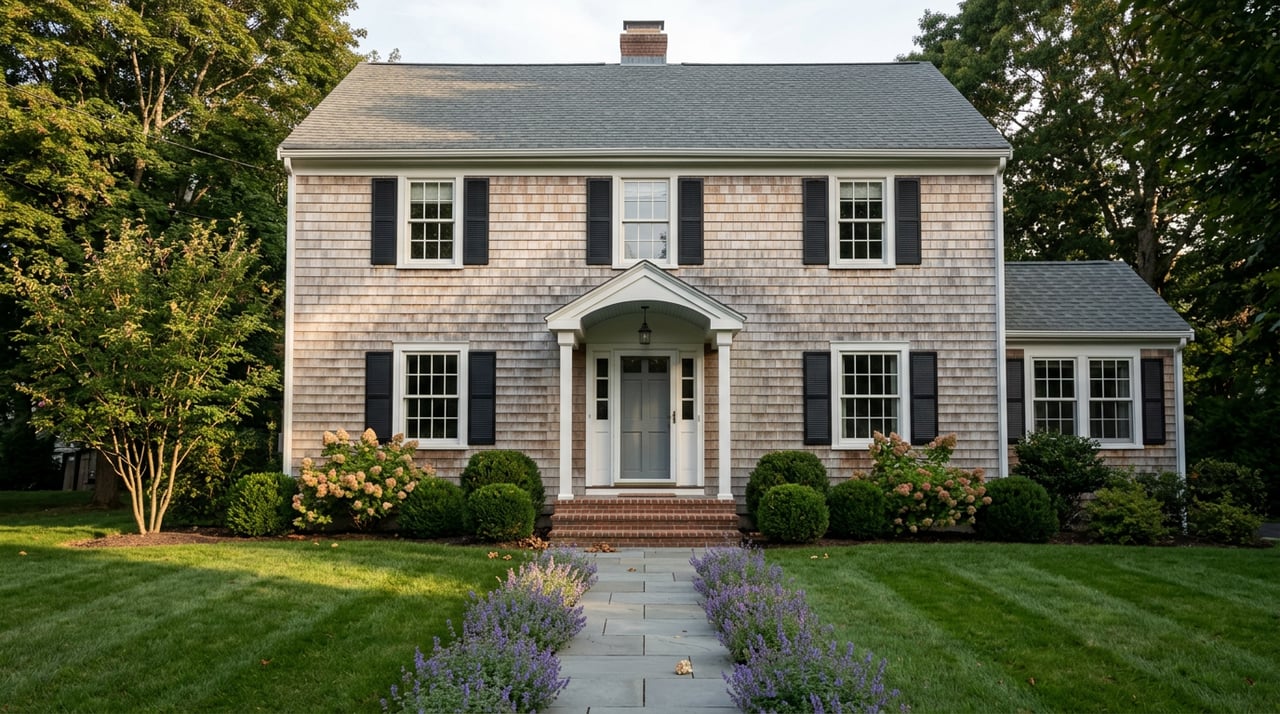
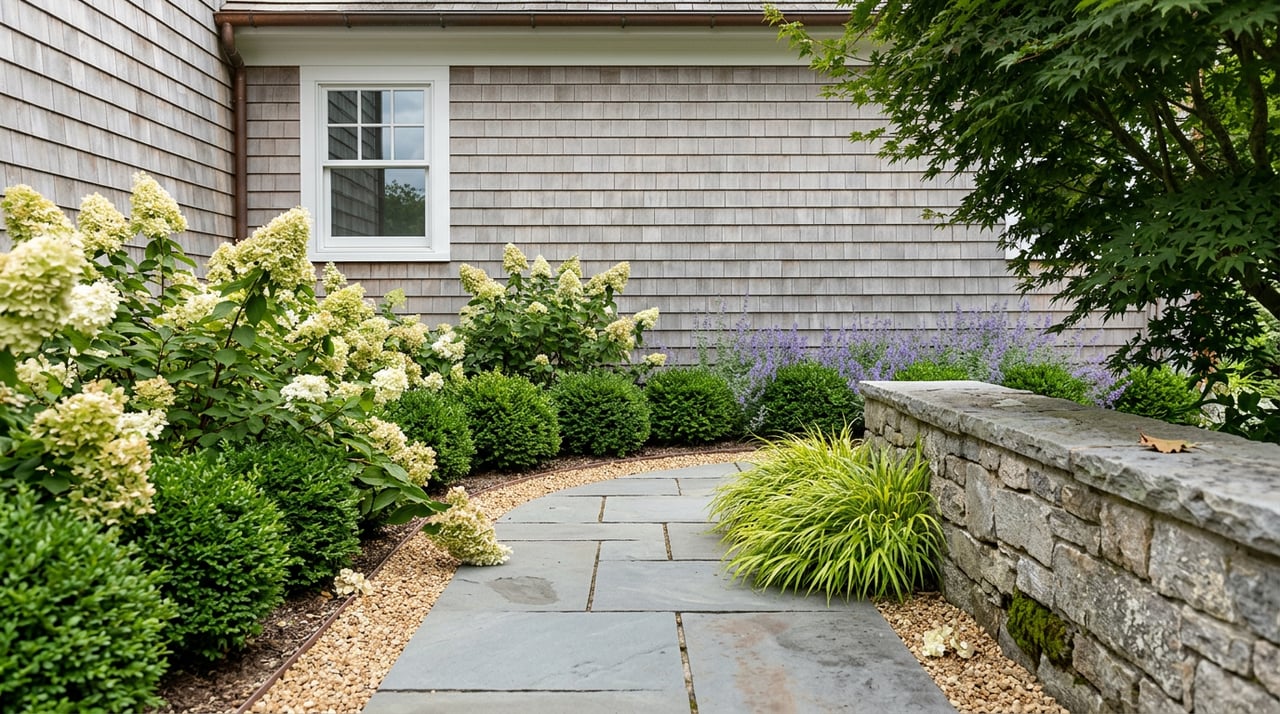
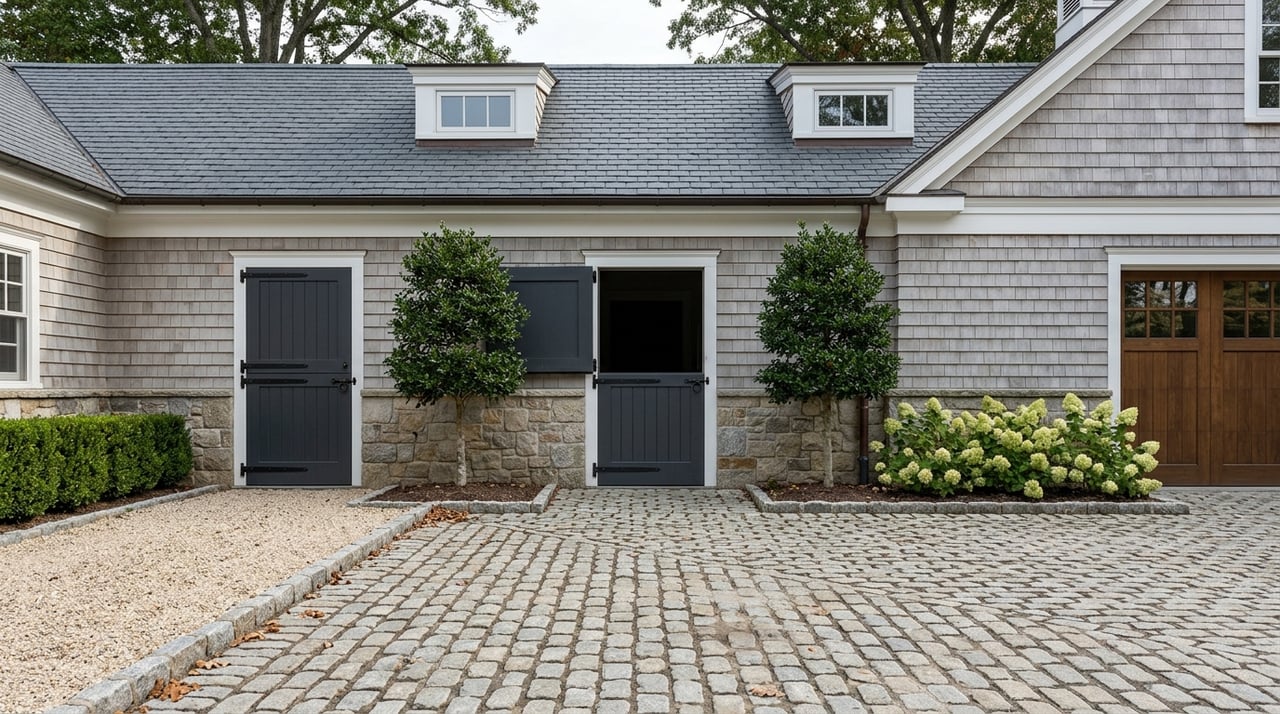
For a backcountry property, the tour begins long before a buyer reaches the front door. The driveway, entry court, stone walls, hedging, lawn edges, exterior lighting, and front entry all shape how the property feels in those first few minutes.
Buyers often connect presentation with maintenance. If the approach feels crisp, organized, and intentional, the rest of the home tends to benefit from that positive assumption. If the exterior feels tired or overgrown, buyers may begin to wonder what else has been deferred.
Focus first on the elements that frame the arrival sequence:
For estate properties, outdoor spaces are not secondary. Staging research specifically identifies outdoor areas as important spaces to prepare, and Greenwich’s seller guidance recommends professional photography and staging as part of the listing plan.
Not every room needs a full renovation before you sell. In most cases, the strongest return comes from focusing on the spaces buyers notice first and remember longest.
Staging research points to the living room, primary bedroom, and dining room as key areas. In practice, for a luxury estate, the kitchen and major entertaining spaces also deserve close attention because they are heavily featured in both listing media and in-person showings.
These spaces should feel open, scaled correctly, and easy to understand. Remove bulky furniture that interrupts flow, edit personal items, and simplify decor so buyers can focus on the room itself.
If needed, small cosmetic updates can go a long way. Fresh paint in a neutral tone, updated lighting, and furniture that better suits the room’s proportions can make the home feel more current without a full redesign.
The primary suite should feel calm, spacious, and finished. Crisp bedding, lighter styling, and reduced visual clutter can help the room read as restful and refined.
Pay attention to adjoining spaces too. A bright, clean bath, organized closets, and cohesive finishes all contribute to that move-in-ready impression buyers value.
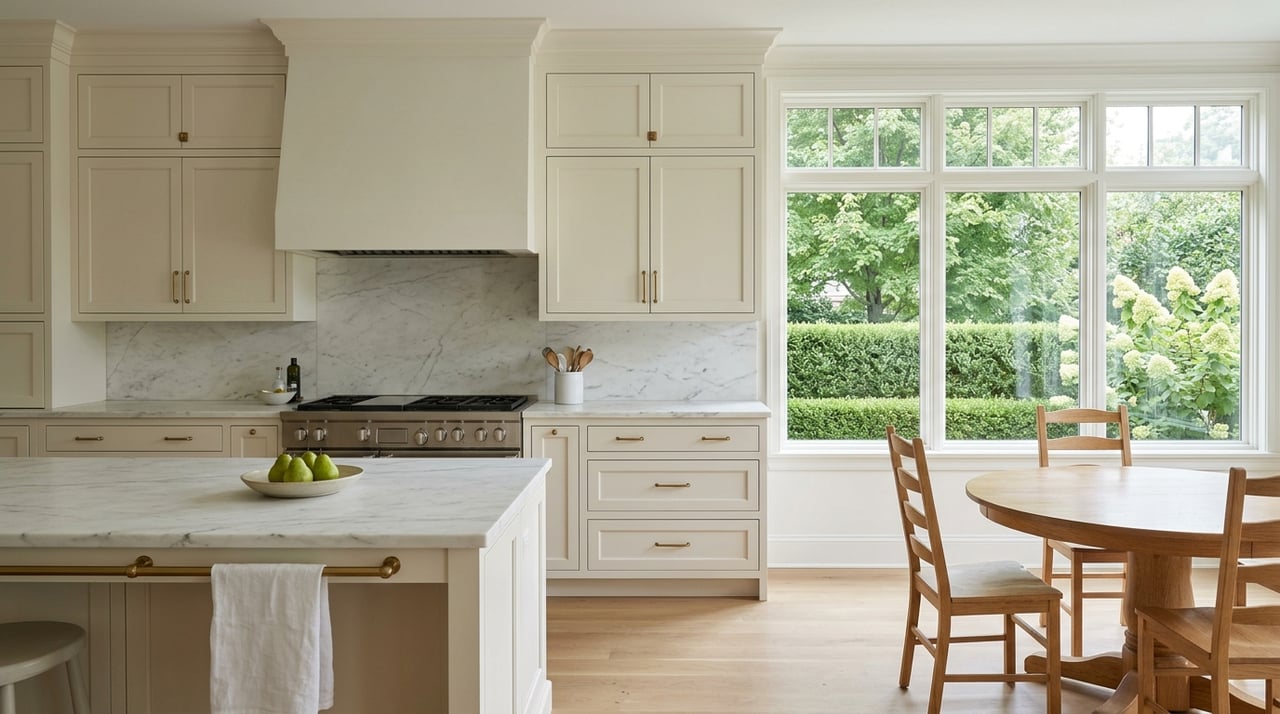
You usually do not need to gut a kitchen to improve market appeal. What matters most is whether it feels bright, functional, and well maintained.
Simple improvements often carry more value than sellers expect:
Greenwich’s seller guidance notes that not every home needs upgrades. Often, smart, visible improvements such as paint, landscaping, and modern lighting create meaningful impact.
At the high end of the market, staging is not about making a home look generic. It is about helping buyers understand how the rooms live and how the property fits modern expectations.
In 2025 research, 83% of buyers’ agents said staging made it easier for buyers to visualize a home. About half of listing agents also said staging reduced time on market, and some professionals attributed a 1% to 10% increase in value to staging.
For a backcountry estate, the most effective staging often includes:
The goal is clarity. Buyers should immediately understand where to gather, relax, work, dine, and entertain.
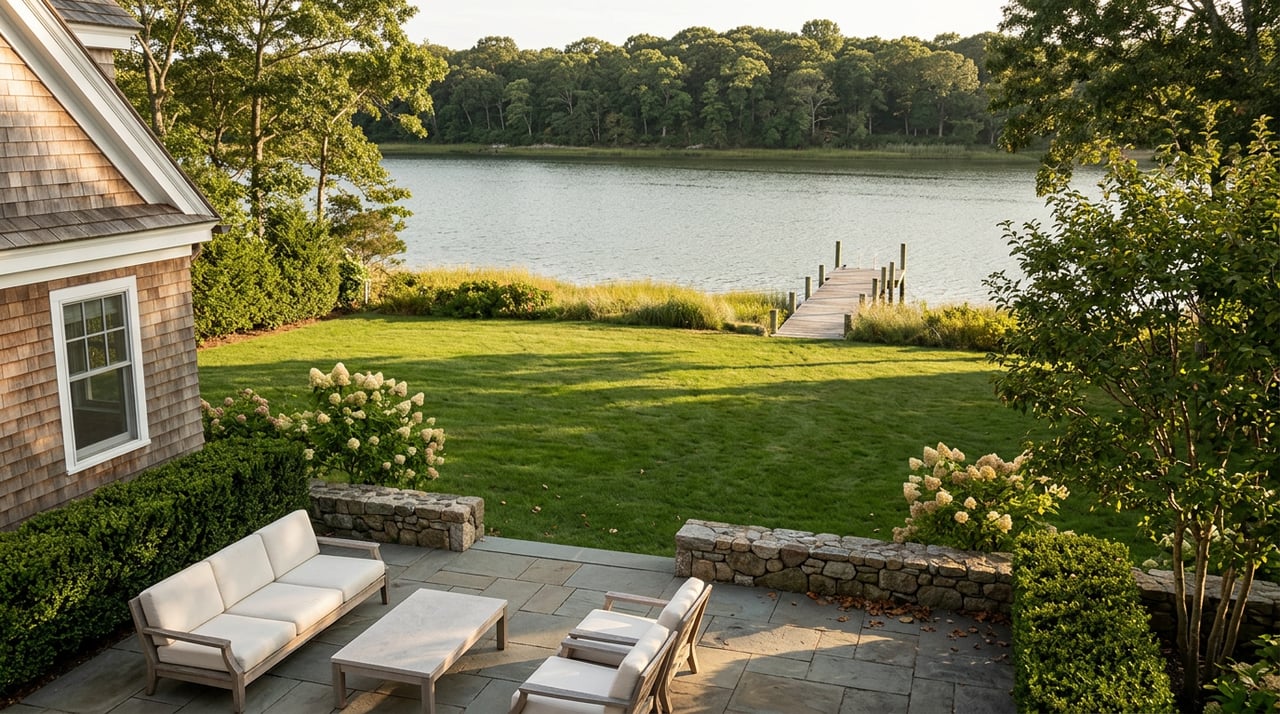
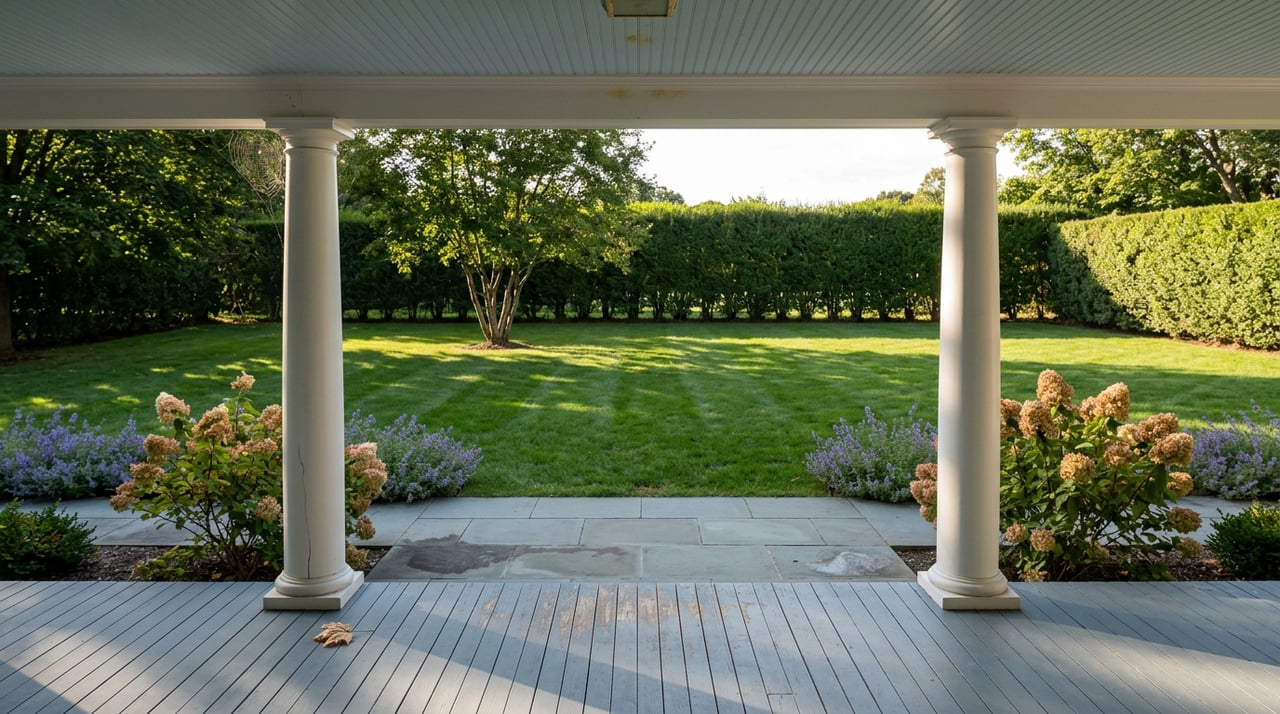
A backcountry Greenwich estate is rarely just about the house. The land, privacy, and outdoor amenities are central to the value, so they should be prepared with the same care as the interior.
That means patios should feel usable, pool areas should feel clean and current, and accessory structures should be easy to interpret. If a buyer sees a guest house, pool house, barn, or studio, they should quickly understand its purpose and condition.
Consider reviewing these outdoor elements before launch:
When these spaces are polished, the property feels more complete. When they are overlooked, the estate can feel fragmented, even if the main house is beautiful.
One of the biggest mistakes sellers make is assuming all pre-listing work is purely cosmetic. In Greenwich, some projects that seem straightforward can trigger permit requirements, especially if they affect access, grading, drainage, or site conditions.
If your pre-listing work includes driveway installation, drain connection, sidewalk or shoulder work, or grading and excavation, Greenwich requires the relevant Public Works or Engineering permits. Permit timing can take days, weeks, or longer depending on the complexity.
That is why preparation should begin earlier than most sellers think. If you wait until a few weeks before launch, you may run out of time to complete the work properly.
If your backcountry property is on septic, planning becomes even more important. Greenwich advises owners to identify septic and well locations, keep the as-built plan and Permit to Discharge, and understand replacement-area requirements before making changes.
The town notes that additions such as pools, tennis courts, and gazebos can affect land needed for septic replacement. A new structure with plumbing may also require its own septic system and reserve area. If your estate includes site changes or accessory improvements, these details should be reviewed early.
If pre-listing work touches plumbing, introduces a new structure, or changes how a space is used, Greenwich’s certificate-of-occupancy process may require approvals from multiple town departments. That can include Building Inspection, Public Works, Engineering, or Environmental Health depending on the scope of work.
For sellers, the practical lesson is to verify before starting. It is far easier to build a prep calendar around approvals than to delay a listing because paperwork was missed.
For most estate sellers, the best prep budget is not the biggest budget. It is the most visible and strategic one.
In many cases, that means directing money toward improvements that photograph well and read clearly in person. Think paint, lighting, flooring touch-ups, landscaping, decluttering, and right-sized furnishings before considering a major remodel.
A useful way to think about spending is this:
| Prep category | Why it matters |
|---|---|
| Paint and wall repair | Makes the home feel fresh and move-in ready |
| Lighting updates | Modernizes rooms and improves photography |
| Landscaping and exterior cleanup | Strengthens first impressions and arrival |
| Staging key rooms | Helps buyers visualize scale and use |
| Outdoor styling | Highlights estate living and entertaining |
| Minor hardware and finish updates | Improves polish without major construction |
A full renovation may make sense if a space is materially dated, but many sellers get better results by improving what buyers see first and most often.
If your estate needs work before market, a prep-first approach often makes sense. Rather than rushing to list, you can use the time to improve presentation, complete photography, and launch when the home is truly ready.
Compass offers a phased path that can include Private Exclusives, then Coming Soon, then full MLS and broader distribution after improvements are complete. For sellers who want financing flexibility, Compass Concierge can cover services such as staging, deep-cleaning, decluttering, cosmetic renovations, landscaping, interior and exterior painting, pool and tennis court services, and many other home-improvement needs, with payment due when the home sells, if the listing is terminated, or after 12 months, subject to program terms and any applicable state fees or interest.
For the right seller, that structure can reduce upfront pressure and support a more disciplined launch. It also aligns well with what Greenwich data suggests: well-prepared, well-presented homes are often positioned to perform more strongly.
Even the best-prepared estate needs a pricing strategy grounded in current market conditions. Greenwich’s seller guidance recommends using a Comparative Market Analysis that weighs recent comparable sales, broader market trends, and property condition.
That last point is especially important. Preparation can strengthen a home’s position, but pricing still needs to reflect the property honestly relative to current alternatives. In the luxury segment, buyers are sophisticated, and overpricing can weaken momentum quickly.
The strongest results usually come when presentation and pricing work together. A home that feels turnkey and enters the market at a disciplined price gives buyers fewer reasons to hesitate.
Preparing a backcountry Greenwich estate for today’s buyer is really about reducing friction. You want buyers to feel excited by the setting, impressed by the condition, and confident that the home has been thoughtfully maintained.
That confidence starts online, deepens at the front gate, and carries through every room, terrace, and outbuilding. When the prep is strategic, the story becomes much easier for buyers to understand and much easier for the market to reward.
If you are thinking about selling and want a tailored plan for your property, Brid Mortamais offers discreet, hands-on guidance on pricing, preparation, staging strategy, and Compass-powered marketing designed for Greenwich’s upper-end market.
Stay up to date on the latest real estate trends.
Brid is a full-time agent with a deep understanding of the local market and provides exceptional service for each of her clients whether they are renting, buying, or selling. She handles every aspect of each real estate transaction, guaranteeing her buyers and sellers the highest level of honesty, attention, and discretion.