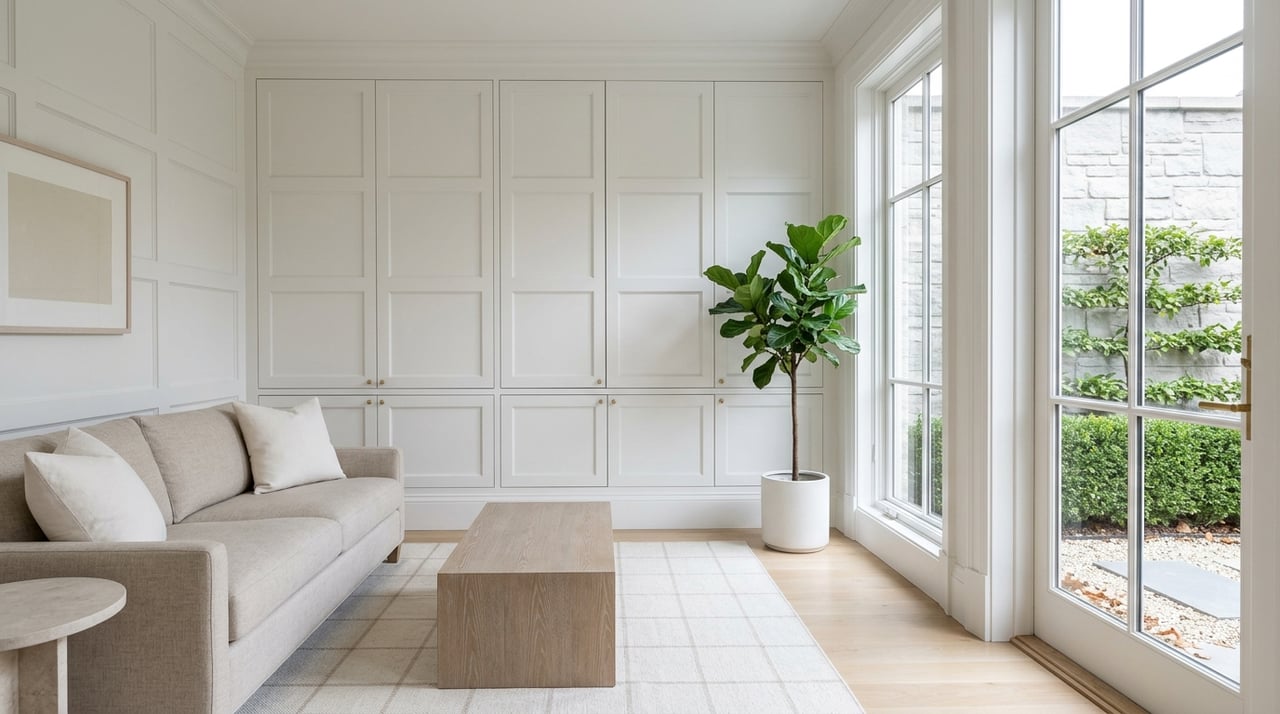
Is Downsizing To Downtown Greenwich Right For You?
July 9, 2026
July 9, 2026
Thinking about trading a larger Greenwich home for something simpler downtown? It is a smart question, especially if you want less upkeep without giving up convenience, access, or connection to the town you know well. In Downtown Greenwich, downsizing is often less about square footage alone and more about reshaping your daily routine around walkability, transit, dining, parks, and services. Let’s take a closer look at whether that lifestyle shift fits the way you want to live.
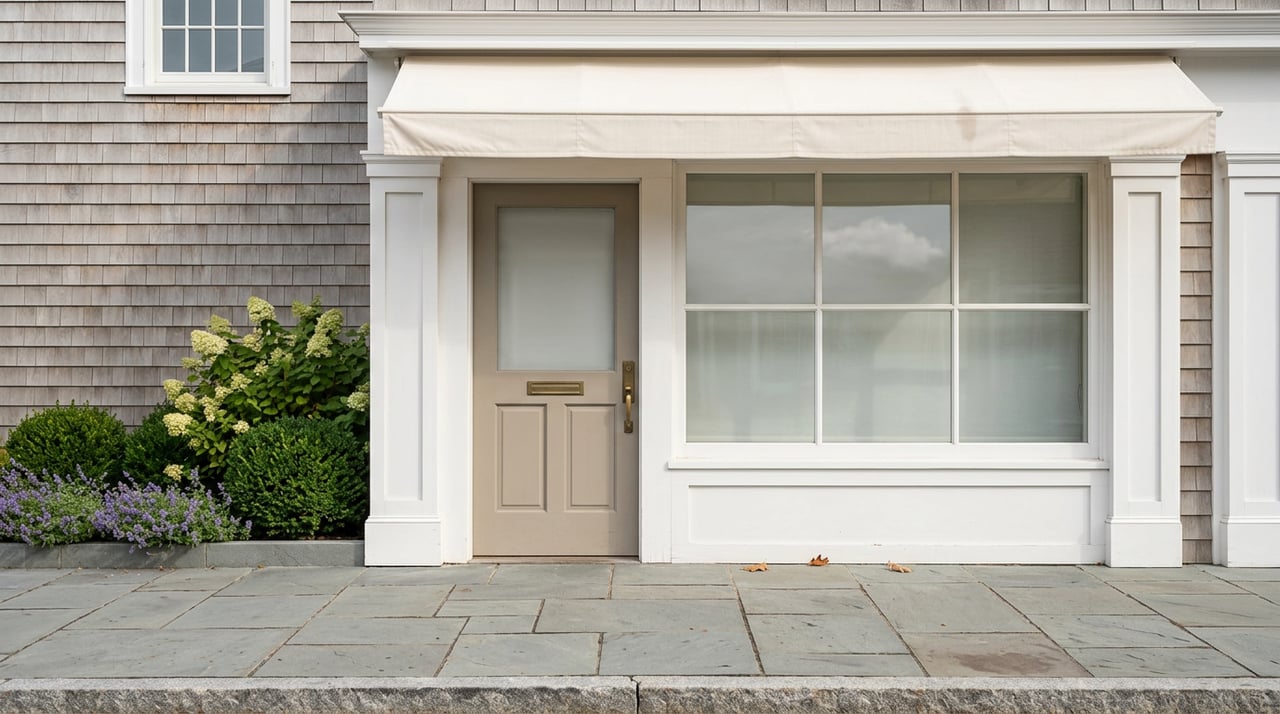
Downtown Greenwich offers a different kind of value than a larger property. Instead of maintaining more land and more house, you may gain easier access to the places you use most often. In 06830, shopping, dining, civic destinations, and transit are clustered closely together, which can make daily life feel more streamlined.
Greenwich Avenue is one of the town’s core shopping areas and is described by the Town of Greenwich as an iconic shopping and dining destination. The town has also completed ADA improvements on Greenwich Avenue and is advancing additional pedestrian-safety work near Railroad Avenue and Field Point Road to improve access to bus stops and the train station. For many buyers, that makes downtown living feel practical, not just charming.
You are also close to amenities that support an active routine. Roger Sherman Baldwin Park sits near Greenwich Avenue in Greenwich Harbor, and the Wallace Center at 299 Greenwich Avenue offers free membership, transportation, and daily programming for residents age 55 and over. If you want a home base that keeps you connected to town life, downtown can be a compelling option.
A move to a condo or townhome can solve a very specific problem: ongoing maintenance. Many buyers choose attached housing because exterior repairs and common-area maintenance are often covered through monthly fees. In some communities, those fees may also include services such as water, sewer, trash, or recreational amenities.
That said, downsizing does not always mean your monthly housing cost goes down. Condo or HOA dues are usually paid separately from the mortgage, and they can range from a few hundred dollars to more than $1,000 per month. When you evaluate affordability, it helps to look at the full picture, including taxes, insurance, utilities, maintenance, and monthly fees.
Insurance also works differently in many multi-unit properties. Association fees often include master insurance for common areas, but you still need coverage for your own unit. Before you buy, it is important to understand exactly what the building policy covers and where your responsibility begins.
Not every downtown downsizing option lives the same way. Some townhomes share common walls, while others are structured within condo communities that may have different maintenance responsibilities and privacy profiles. That means two homes with similar square footage can offer very different day-to-day experiences.
As you tour properties, look beyond finishes and layout. Pay attention to entry style, wall sharing, outdoor space, storage, and how much of the exterior is maintained by the association. These details shape whether a home feels like a true simplification or a compromise that does not quite fit.
If you are considering a downtown move, timing and preparation matter. The Greenwich attached-home market has been active, but inventory has remained relatively tight. In 2025, Greenwich REALTORS reported 174 condo and co-op closings, with a median sale price of $960,000 and average days on market of 54.
In the first quarter of 2026, condo and co-op closings rose to 44, the median sale price increased to $1,240,000, and average days on market were 68. In May 2026, Greenwich recorded 11 condo and co-op closings, a median sale price of $1,050,000, and 32 active condo and co-op listings at month-end, down 27.3% from May 2025. The takeaway is straightforward: options may be limited, and attractive listings do not always sit for long.
Parking is one of the biggest lifestyle tradeoffs in downtown Greenwich. If you are moving from a property with a private driveway or multiple garage spaces, this shift deserves real attention. A beautiful unit can lose its appeal quickly if parking feels inconvenient every day.
The Town of Greenwich states that metered locations are enforced Monday through Saturday from 9 a.m. to 5 p.m. Greenwich Avenue and other posted locations are limited to two-hour sessions, while longer stays should use one of the town’s long-term or 12-hour lots downtown. The town also publishes permit options, including central Greenwich resident or business district permits at $720, Town Hall Garage permits at $456, and day parking at designated railroad-station lots at $7 per day.
Some streets also fall under the Residential Parking Program and require permits. When you compare properties, ask whether parking is deeded, assigned, waitlisted, or off-site, and whether guest parking is available. For many downsizers, this answer is just as important as the floor plan.
Downtown ownership often comes with more documents and rules than a detached home purchase. That is not necessarily a negative, but it does mean you should review the details carefully. The goal is to understand the building as well as the unit.
Ask what the monthly fee covers and how much is being set aside for future repairs. A well-run association typically contributes part of its fees to reserves. That matters because healthy reserves can reduce the risk of unexpected costs later.
Ask whether there have been any recent special assessments or any planned ones. A lower monthly fee may look attractive at first, but it does not tell the whole story if major building work is coming. This is one of the clearest ways to compare the real cost of ownership.
Review the bylaws or governing documents with care. These rules can affect renovations, storage, pets, rentals, and what changes are allowed inside the home. If flexibility matters to you, this step is essential.
Clarify how the building is insured and what the master policy actually covers. In some cases, the association policy covers common elements only, while the unit owner remains responsible for the interior. Knowing that before closing helps you budget more accurately.
A downtown move tends to work best when the details match your routine. As you visit properties, keep these questions in mind:
These questions may sound practical, but they often reveal whether a property truly supports the lifestyle you want.
Downtown Greenwich can be a strong fit if you want to stay local while simplifying ownership. It often appeals to homeowners who are ready to reduce upkeep, shorten the distance to shops and dining, and make commuting or train access easier. It can also make sense if you value being close to parks, programming, and daily conveniences more than having a larger private lot.
It may be less ideal if you want abundant outdoor space, multiple easy parking spots, or extensive storage. Those needs are not impossible to meet, but they can be harder to find in the downtown housing mix. The right move depends on which tradeoffs feel worth it to you.
The best downsizing decisions are rarely only financial or only emotional. They work because the home supports the life you want now, not the one you needed ten or twenty years ago. In Downtown Greenwich, that often means choosing convenience, access, and ease over extra space that may no longer serve you.
If you are weighing a move, start with your real daily priorities. Think about how often you want to drive, how much maintenance you want to manage, what kind of storage you need, and whether being near Greenwich Avenue or the train station would improve your routine. Once those answers are clear, the right property becomes much easier to recognize.
If you are considering a move in Greenwich and want a thoughtful, data-informed view of your options, Brid Mortamais offers discreet, personalized guidance tailored to your goals.
Stay up to date on the latest real estate trends.
Brid is a full-time agent with a deep understanding of the local market and provides exceptional service for each of her clients whether they are renting, buying, or selling. She handles every aspect of each real estate transaction, guaranteeing her buyers and sellers the highest level of honesty, attention, and discretion.