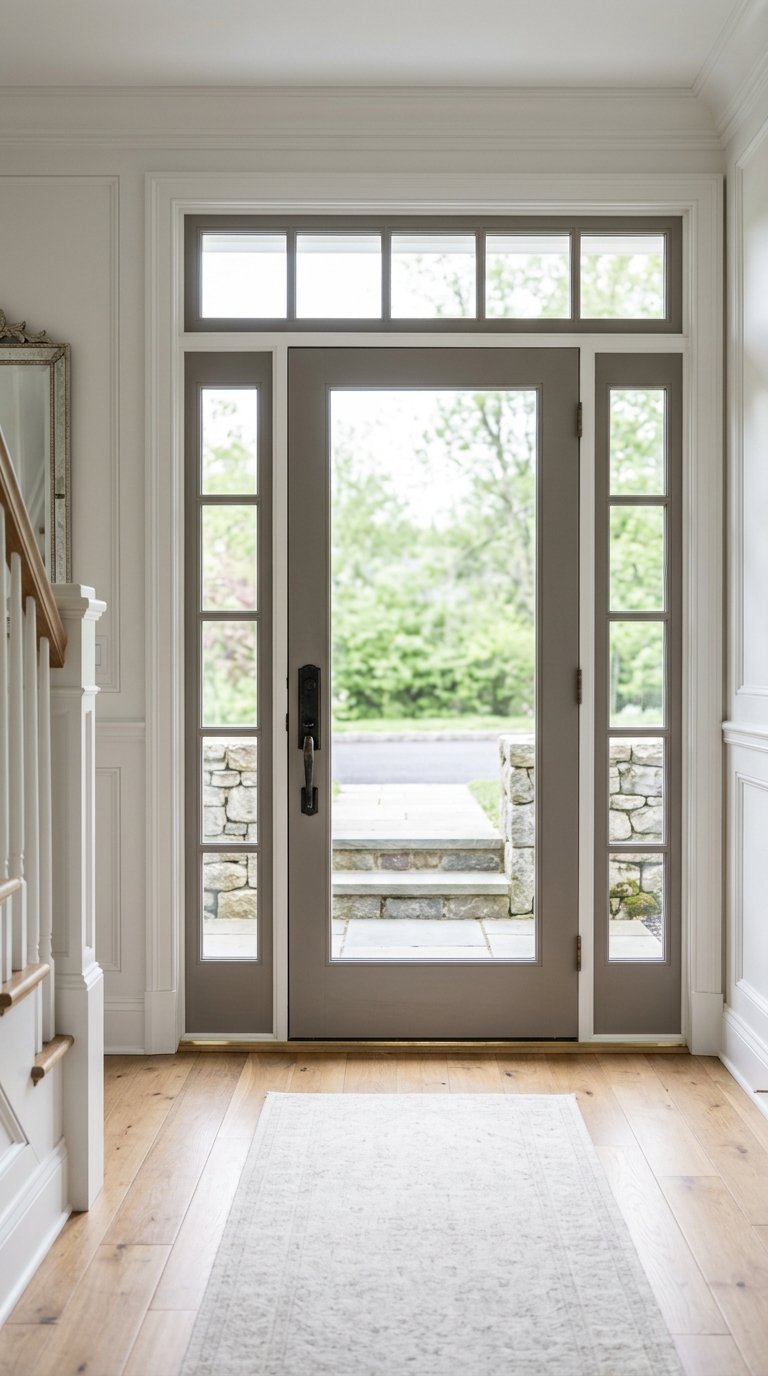
Car-Light Living In Downtown Greenwich
May 21, 2026
May 21, 2026
If you love the idea of doing more on foot, downtown Greenwich offers one of the clearest places in town to make that work. You may still want a car for some trips, but in the right pocket of 06830, daily life can feel meaningfully easier, more walkable, and more rail-connected than many people expect. If you are wondering what car-light living really looks like here, this guide will help you understand where it works best, what the tradeoffs are, and which homes tend to fit the lifestyle. Let’s dive in.
Downtown Greenwich’s most walkable core is the Central Greenwich Business-Retail district. This area runs from Putnam Avenue to Railroad Avenue along Greenwich Avenue, with adjacent cross streets included in the mix. The zoning is intentionally mixed, with storefronts, retail continuity, and housing in the same district, which helps support a more car-light routine.
That design matters in everyday life. Instead of a spread-out suburban strip, you have a compact core where errands, dining, and transit are concentrated. This is the main reason downtown Greenwich can support a car-light lifestyle better than many nearby suburban settings.
The town has also continued to invest in the pedestrian experience along Greenwich Avenue. Improvements have included streetscape work, ADA upgrades, crosswalks, lighting, curb extensions, and bike-related elements. Together, those features make the avenue feel more comfortable for walking than a typical main road in the suburbs.
Car-light in downtown Greenwich does not mean fully car-free in the way some New York City neighborhoods can be. It means you can handle many daily needs on foot, rely on the train for commuting, and use local transit connections for part of your routine. You may still keep a car for weekend plans, larger errands, or destinations outside the downtown core.
That distinction is important if you are moving from Manhattan or Brooklyn. Downtown Greenwich offers a softer version of urban convenience, with one rail station, a commuter shuttle, some bus connections, and a compact retail street rather than a dense transit grid. The result can feel familiar in some ways, but quieter and more parking-aware.
For many residents, the biggest reason car-light living works here is the Greenwich Metro-North station on the New Haven Line. The station is accessible and includes elevators, tactile warning strips, audiovisual information, ticket machines, a waiting area, and restrooms. It also connects to CTtransit and Norwalk Transit services.
Metro-North also lists the Greenwich Central Loop commuter shuttle as a connecting service timed to trains to and from Grand Central. Downtown stops include Greenwich RR, Town Hall, Putnam & Field Point, Lafayette & Putnam, Greenwich Hospital, and Amogerone & Mason. That creates a practical layer of local mobility around the station and central downtown streets.
Bus-stop benches at Greenwich Avenue and West Elm Street and at Greenwich Avenue and Railroad Avenue also show how transit touchpoints are clustered in the core. If you value being able to walk to the train and keep your weekday routine simple, those blocks deserve close attention.
Even in the most walkable part of town, parking remains part of the downtown system. The town manages parking with two-hour metered limits Monday through Saturday on Greenwich Avenue and other posted locations. There are also longer-duration lots elsewhere downtown, along with free parking on Sundays and town holidays.
This is one reason the lifestyle is best described as car-light rather than car-free. If you have a car, downtown Greenwich can still be manageable. You just want to understand the parking rhythm before choosing a specific home or daily routine.
A realistic downtown Greenwich weekday can be pleasantly simple. You might grab coffee or run a quick errand on Greenwich Avenue, walk to the station for the train, and return for lunch or dinner near the avenue. Depending on your schedule, you may be able to add a library stop, gallery visit, or museum outing without much planning.
That rhythm is supported by a real concentration of activity. The town’s outdoor dining study identified about 22 food establishments with outdoor-dining potential within the central business core, which gives you a useful sense of restaurant density. The town also describes downtown Greenwich as one of its major shopping areas and notes that it is active seven days a week.
One of the strongest parts of a car-light lifestyle is not just commuting. It is how easy your smaller daily plans feel. In downtown Greenwich, several useful destinations are close enough to fold into your week without turning them into a major outing.
Greenwich Library’s main branch is at 101 West Putnam Avenue and offers long weekday and weekend hours. The library also adds cultural value through programming and the Flinn Gallery, giving you another local option for low-effort, high-quality time close to home.
The Bruce Museum is another downtown-adjacent asset. It is open Tuesday through Sunday, offers free admission on Tuesdays, and even provides train-to-museum walking directions for visitors arriving from Greenwich Station. That says a lot about how naturally the museum fits into a rail-and-walk lifestyle.
For green space, Bruce Park is the clearest everyday option near downtown. It offers fields, tennis courts, walking paths, ponds, waterways, and Sound views. If you want a place for a walk, fresh air, or a quick outdoor reset without getting in the car, this is one of the most practical parts of the downtown pattern.
If car-light living is your goal, location within downtown matters a great deal. The most convenient pockets are generally the blocks closest to Greenwich Avenue, Railroad Avenue, West Putnam or Putnam, Field Point, and the station area. That is where retail, transit stops, and pedestrian improvements overlap most clearly.
In practical terms, the closer you are to the avenue and station, the easier the lifestyle becomes. A short walk can make the difference between regularly using the train and simply liking the idea of it. The same goes for dining, errands, and quick daily stops.
As you move farther from the core, the walk-to-everything pattern starts to weaken. A home may still be very appealing for other reasons, but it may not support the same level of car-light convenience.
For most buyers seeking a car-light setup, lower-maintenance homes tend to make the most sense. In this part of Greenwich, that often means a condo, apartment, or attached or mixed-use style home near the avenue and station. The district’s zoning supports housing in the downtown core, which is one clue to the types of homes that fit the area best.
This can be especially attractive if you want a commuter-friendly base, a second home, or a simpler weekly routine. A more compact footprint near transit often aligns better with the lifestyle than a larger property farther from daily amenities. It is less about home size and more about how your location supports the way you want to live.
Large-lot single-family homes can still work beautifully in Greenwich, of course. But if your priority is to reduce driving and handle more of life on foot, homes outside the downtown core are usually less natural fits.
If you are considering Greenwich after living in the city, it helps to set the right expectations. Downtown Greenwich can offer walkable errands, nearby culture, and a rail-based commute, all of which may feel refreshingly familiar. But it is still more suburban in pace and structure than Manhattan or Brooklyn.
You will not find the same all-day transit density or the same block-by-block coverage. Instead, you get a compact center with meaningful convenience, a calmer daily rhythm, and easier parking when you need a car. For many buyers, that balance is exactly the point.
Car-light living in downtown Greenwich often appeals to a few specific kinds of buyers. Commuters who want easy train access are an obvious fit. So are buyers looking for a low-maintenance home close to restaurants, services, and local cultural stops.
It can also work well for second-home buyers who want a lock-and-leave lifestyle with walkable convenience. And for anyone relocating from New York City, it offers a gentler transition into suburban living without giving up the habit of walking for everyday needs.
If you are exploring this lifestyle, keep these points in mind:
The right home can make downtown Greenwich feel remarkably convenient. But in a market where a few blocks can change the experience, local guidance matters.
If you are weighing whether downtown Greenwich is the right fit for your routine, lifestyle, or next purchase, Brid Mortamais offers thoughtful, highly personalized guidance rooted in real neighborhood knowledge.
Stay up to date on the latest real estate trends.
Brid is a full-time agent with a deep understanding of the local market and provides exceptional service for each of her clients whether they are renting, buying, or selling. She handles every aspect of each real estate transaction, guaranteeing her buyers and sellers the highest level of honesty, attention, and discretion.