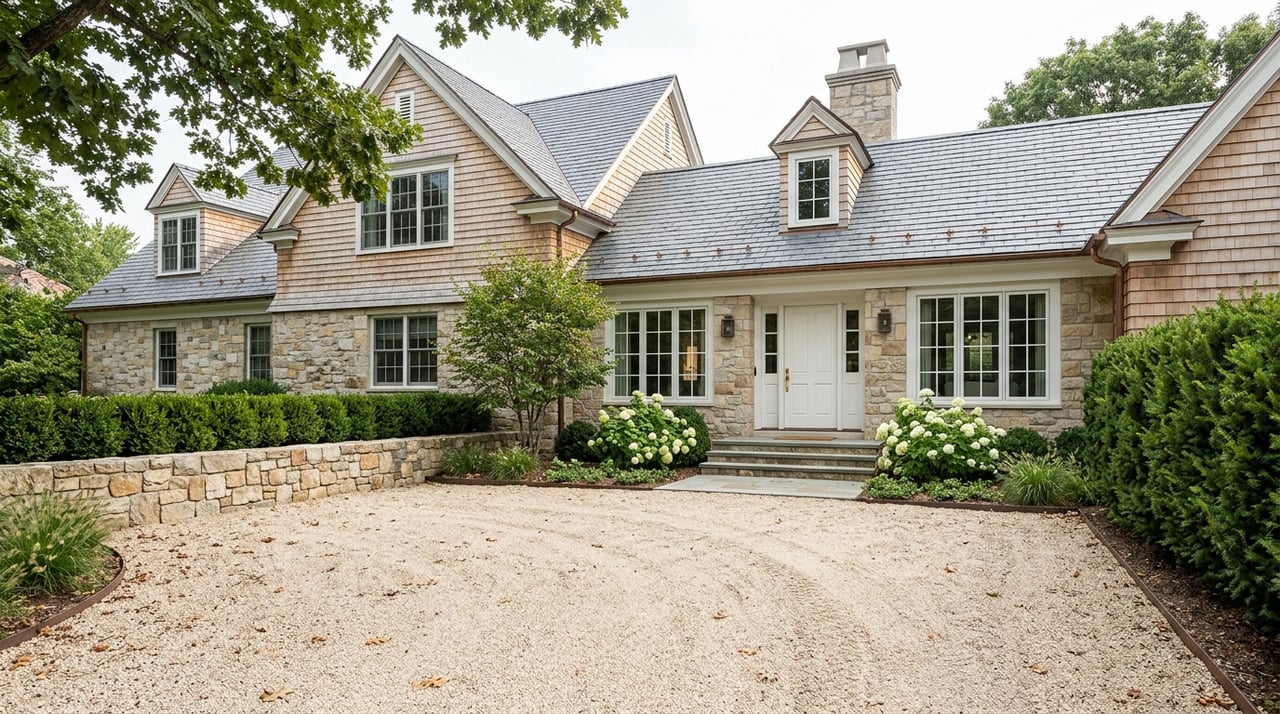
Buying A Home In Old Greenwich’s Coastal Pockets
June 11, 2026
June 11, 2026
If you are drawn to Old Greenwich, chances are you are not just buying a house. You are choosing a daily rhythm. In this part of Greenwich, a few blocks can shift your lifestyle in a meaningful way, from train-first convenience to beach-first routines and park-centered living. This guide will help you compare Old Greenwich’s main coastal pockets, understand the trade-offs, and focus your search with more confidence. Let’s dive in.
Old Greenwich began as the original settlement of Greenwich, later became a summer destination, and today is known as a quiet commuter community with an intimate downtown feel. You will find a mix of local amenities, shoreline recreation, and practical access to I-95 and Route 1.
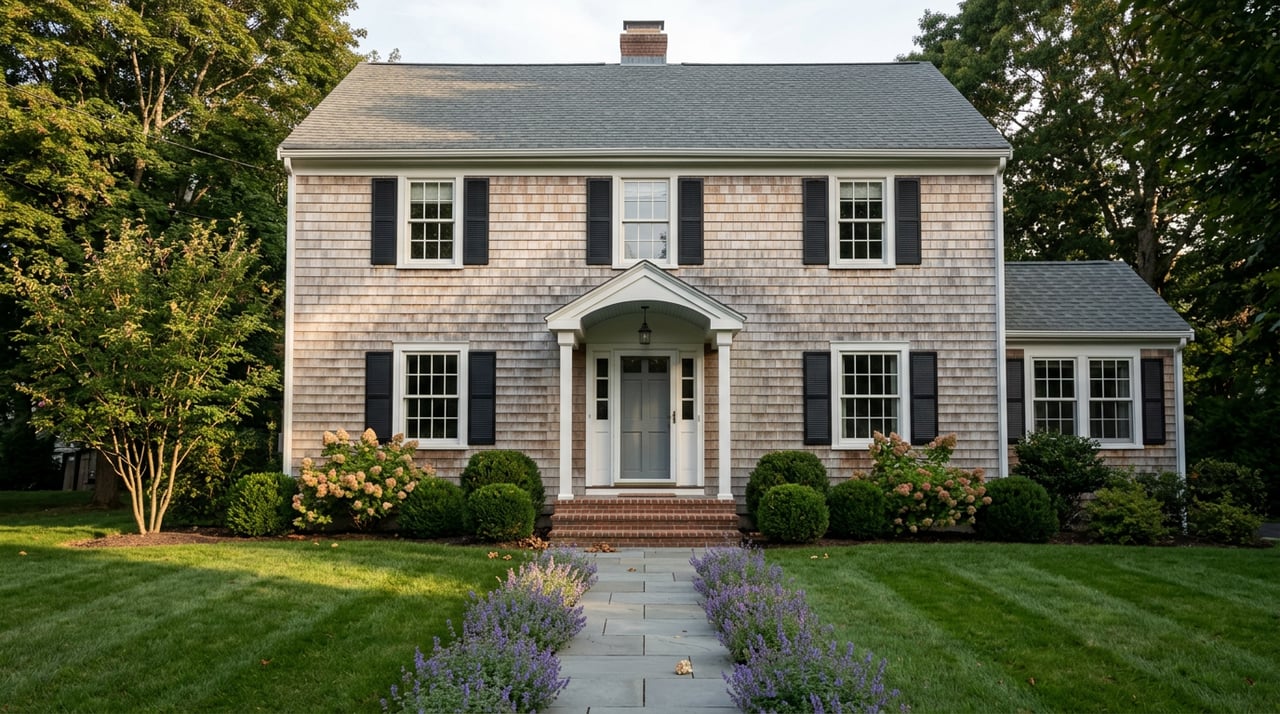
The housing stock is also part of the appeal. Old Greenwich is heavily weighted toward detached single-family homes, including many original Capes and Colonials, alongside renovated homes and newer construction. For buyers, that means the area offers both character and variety, but usually in a tightly supplied, premium market.
When buyers compare Old Greenwich’s coastal pockets, the clearest way to organize the search is not by ranking streets. It is by asking how you want your day to work.
In most cases, your decision comes down to one of four lifestyle priorities:
That framework matters because Old Greenwich’s micro-areas tend to separate less by prestige and more by how they balance walkability, green space, shoreline access, and commuter convenience.
The village-adjacent pocket centers around Sound Beach Avenue near the school and train station. This is the part of Old Greenwich that feels most compact and connected, with a pattern of homes and businesses that supports a more walkable routine.
In December 2024, the town approved the Old Greenwich Village District Overlay for certain Sound Beach Avenue properties in the business district. The purpose is to protect architectural character, preserve traditional scale, and strengthen walkability in the village core.
For you as a buyer, that usually translates into a simple trade-off. You are often paying for convenience and closeness to daily needs rather than for the largest yard or the most private setting.
If you want to keep much of life within a short radius, this area often makes sense. You may appreciate being near the center of Old Greenwich and having a more village-oriented feel day to day.
This pocket can be especially appealing if you value:
Because this area is part of a compact mixed-use environment, privacy and lot size may feel more limited than in deeper residential sections. The village district framework also adds design context in the core, with an emphasis on traditional materials, scale, and compatibility.
That does not make the area less desirable. It simply means your buying decision should weigh convenience and character against space and separation.
Binney Park is a major anchor in Old Greenwich. The park spans 33 acres and includes walking paths, stone bridges, a gazebo, fields, a playground, a pond, tennis courts, and a walking track.
If you want easy access to green space without giving up proximity to the center of town, the streets around Binney Park are often where your search naturally focuses. This pocket offers a more residential feel while keeping you close to core Old Greenwich amenities.
The appeal is straightforward. You get everyday visual relief, room to be outside, and a setting shaped by one of the town’s most established public spaces.
For many buyers, the draw includes:
The town is initiating a multi-use trail intended to connect Binney Park to Stamford’s Boccuzzi Park. If it moves forward, that could improve local bike and pedestrian connectivity further.
The practical trade-off here is traffic exposure near the Sound Beach Avenue edge. The adjacent bridge carried about 14,500 vehicles daily and was rebuilt with a single-span design to improve hydraulic efficiency in an area prone to coastal flooding.
So if you are considering this pocket, it helps to look carefully at exactly where a home sits relative to the busier corridor. Two nearby homes can offer very different day-to-day experiences.
For shoreline-focused buyers, the area tied to Greenwich Point Park, known locally as Tod’s Point, has a different kind of pull. Greenwich Point is a 147.3-acre town-owned beach and recreation facility with beaches, swimming areas, a boat yard, a kayak launch, trails, and historic buildings.
If your ideal routine includes morning walks by the water, beach time, paddling, or a more seasonal coastal rhythm, this pocket may stand out right away. It supports a lifestyle that feels distinct even within Old Greenwich.
The biggest advantage is obvious. You are buying closer access to one of the area’s defining recreational assets.
At the same time, it is important to understand the operating rules that shape the experience. Park passes or tickets are required for entry from May 1 through Oct. 31, and the resident OnePass park option includes Greenwich Point, Island Beach, and parking for Greenwich-registered vehicles from May through October.
This is a pocket where lifestyle and logistics go together. If you love the shoreline, the seasonal access system may feel like a small adjustment. If you prefer a totally frictionless setup, you will want to think carefully about how often you plan to use the park and how parking factors into that routine.
Near-shore buying also calls for extra diligence. In Old Greenwich, shoreline and near-shore properties may face added review tied to flood exposure, elevation, and permitting.
If commuting is central to your home search, the blocks around Old Greenwich station deserve focused attention. The station is on Metro-North’s New Haven Line, making this pocket highly practical for buyers who travel regularly into New York City.
For many time-sensitive buyers, that convenience can outweigh other compromises. A shorter station walk can improve your routine every weekday, which is why these blocks remain so closely watched.
The main value here is efficiency. You can reduce dependence on driving for your commute and keep the station within your normal daily orbit.
That can be especially useful if you are looking for:
The practical details matter. The platforms are ramp-accessible, but there is no accessible path between them. There is also no ticket office at the station, only ticket machines, and commuters are directed to TrainTime.
Parking is another factor. Greenwich’s parking schedule lists the Old Greenwich Railroad Station commuter permit at $456 and day parking at $7 in designated areas. Even if you plan to walk most days, those details should still be part of your comparison.
Old Greenwich sits in Greenwich’s upper tier, and current market snapshots show how tight the market can be. One source showed a median sale price of $2.02 million as of March 31, 2026, while an MLS-based Old Greenwich market report showed 13 house sales in Q1 2026, a median sale price of $3.83 million, 77% of houses selling over ask, and a median time on market of 21 days.
Those figures are not directly comparable because they use different methodologies, but together they point in the same direction. Old Greenwich is a premium market with limited supply, and buyers usually need to move with clarity when the right property appears.
That is one reason micro-location matters so much here. In a market where pricing is already elevated, paying for the pocket that actually matches your routine can matter as much as the home itself.
In Old Greenwich’s coastal pockets, parcel-level diligence is essential. The town states that FEMA flood maps legally determine flood zones, and Greenwich’s Coastal Overlay Zone is established under the Connecticut Coastal Management Act.
The Building Zone Regulations also include a Flood Hazard Overlay Zone section, and the town’s village district staff report noted that the proposed district falls within the coastal overlay zone. In practical terms, that means some shoreline and near-shore properties may involve additional review tied to flood exposure, elevation, and permitting.
For you, the takeaway is simple. A beautiful location should always be matched by careful review of zoning, overlays, flood mapping, and any property-specific constraints before you move too far into a decision.
If you are torn between several parts of Old Greenwich, try narrowing your search by routine rather than emotion alone. Start with the question: what do you want to reach most often on an average day?
A useful way to think about it is this:
You may also find that the best fit sits just off the busiest core. Buyers who want Old Greenwich character without the most active edge often look slightly outside the center while still benefiting from the neighborhood’s village identity and detached-home stock.
In Old Greenwich, the difference between a good purchase and a great one often comes down to fit. Not just the size of the house or the finish level, but how well the location supports the way you actually live.
That is especially true in a coastal market where walkability, train access, green space, and shoreline routines all compete for attention. When you identify your priority early, your search becomes more focused, your comparisons become clearer, and your decisions usually get easier.
If you are considering a move in Old Greenwich and want a thoughtful, data-informed perspective on which coastal pocket best fits your lifestyle, Brid Mortamais offers discreet, personalized guidance tailored to your goals.
Stay up to date on the latest real estate trends.

Brid is a full-time agent with a deep understanding of the local market and provides exceptional service for each of her clients whether they are renting, buying, or selling. She handles every aspect of each real estate transaction, guaranteeing her buyers and sellers the highest level of honesty, attention, and discretion.