Backcountry Greenwich Lifestyle Guide to Estate Living
May 14, 2026
May 14, 2026
If you picture Greenwich as polished downtown blocks and a quick walk to the train, Backcountry Greenwich may surprise you. This part of town offers a very different rhythm, one shaped by rolling hills, larger properties, and a stronger connection to open space. If you are wondering what estate living here really looks like day to day, this guide will help you understand the setting, the trade-offs, and what to evaluate before you buy. Let’s dive in.
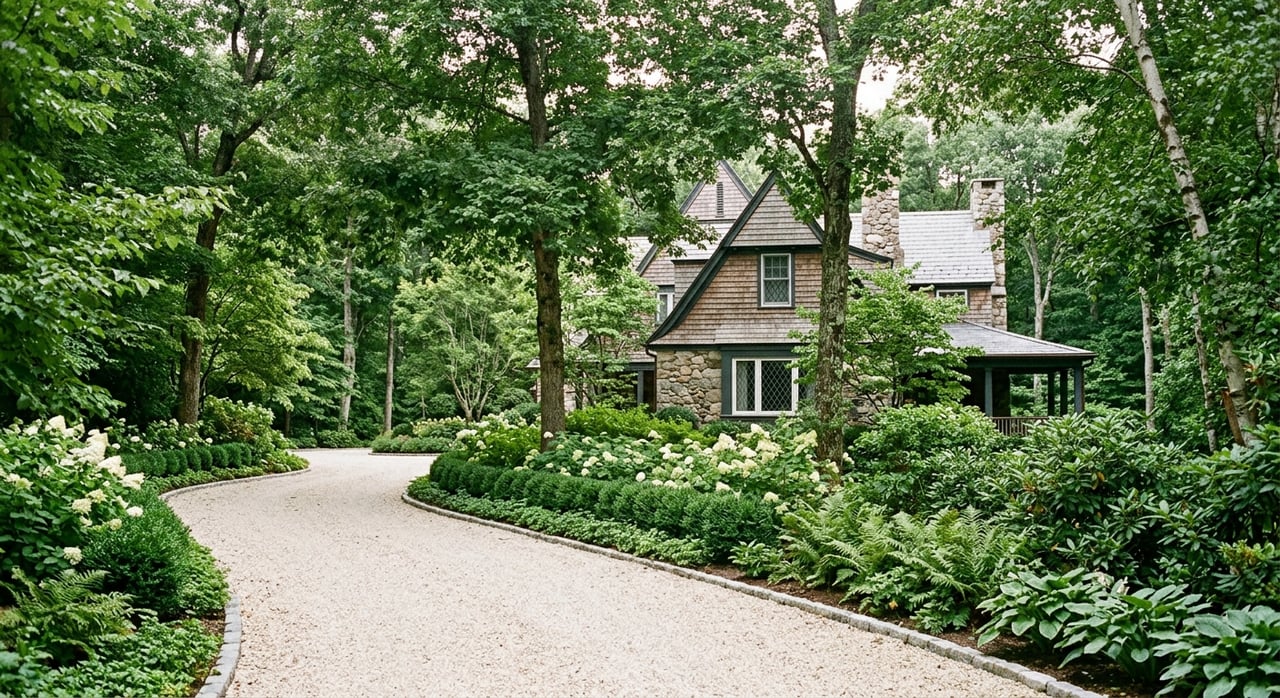
Backcountry Greenwich refers to the inland, hillier, more estate-oriented side of town. The Town of Greenwich describes this area as the rolling, bucolic hills of Backcountry, which is a useful starting point if you are trying to picture the landscape.
This setting feels private and green, but it is not isolated. Greenwich sits in Fairfield County, about 28 miles from New York City, and it is on the Metro-North main line. That means you can enjoy a more rural backdrop while still staying connected to town amenities and regional access.
Another defining feature is conservation land. Greenwich Land Trust permanently protects more than 1,014 acres across more than 82 preserves, including woodlands in the backcountry. In practical terms, that preservation helps shape the area’s quiet, natural feel.
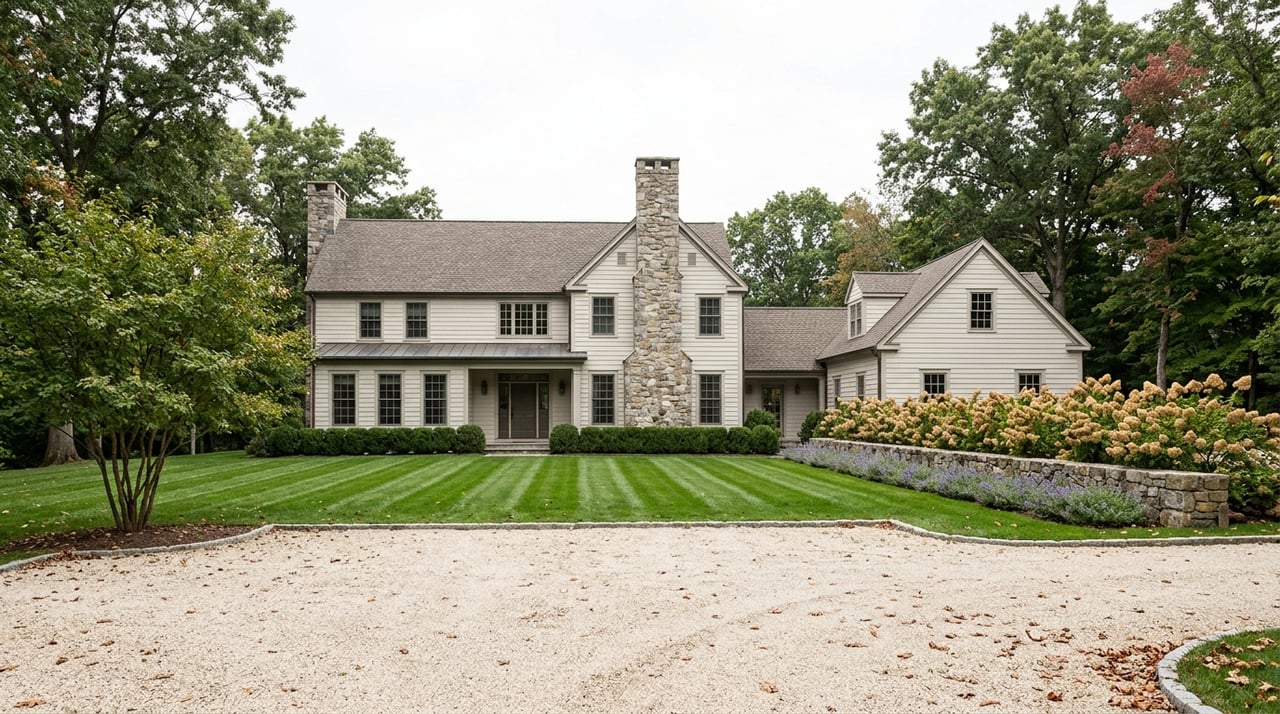
The biggest shift in Backcountry Greenwich is not just home size. It is the relationship between the property and the land around it. Larger parcels often mean more privacy and more flexibility for outdoor living, but they also bring more responsibility.
In this part of Greenwich, estate living often rewards buyers who value space, seclusion, and room for personal uses outdoors. At the same time, it can require more planning around landscaping, drainage, fencing, and seasonal upkeep. That is not a formal town slogan, but it is a practical takeaway from the area’s land-use rules and conservation setting.
For many buyers, that trade feels worthwhile. You may gain long sightlines, mature trees, and a stronger sense of retreat. You should also expect that maintaining the grounds can be a meaningful part of ownership.
Backcountry properties often involve more than simply maintaining a lawn. The Town of Greenwich closely regulates development tied to larger properties, especially when animals, drainage, wetlands, and water protection are involved.
For example, Greenwich requires detailed site information for horse-related development. That can include a horse-management plan, manure storage and removal details, and setbacks from wetlands, watercourses, and wells before new construction or site alteration on a property where horses will be kept.
The town also requires a special exception for construction of a stable and for the care or housing of more than six horses. Even if you have no plans for horses, these rules reveal something important about the backcountry market: land use here can be nuanced, and due diligence matters.
One of the clearest advantages of Backcountry Greenwich is access to open space and recreation. If your ideal day includes walking trails, quiet preserves, or room to enjoy the outdoors, this part of town has real appeal.
Babcock Preserve is a standout example. This 300-acre preserve on North Street, north of the Merritt Parkway, offers 7 miles of trails, bridle paths, horseback riding, cross-country skiing, and a picnic area. It is a strong illustration of how recreation in Greenwich can feel expansive and estate-adjacent.
The Mianus River and Natural Park adds another option for passive recreation. There, you will find trails for walking and hiking, along with fishing and dog walking along the Mianus River. The park does not offer camping or picnicking, which is a useful detail if you are comparing how different preserves function.
A common misconception is that all nature properties in Greenwich allow the same activities. In reality, access varies depending on the preserve or organization managing the land.
The Greenwich Audubon Center stewards seven sanctuaries and private parcels totaling 686 acres, with a 285-acre main sanctuary and 7 miles of trails. Its visitor rules, however, state that bikes, pets, and horses are not permitted.
By contrast, the Greenwich Riding & Trails Association promotes open space, historic trails, and horseback riding. Its 94-acre Nichols Nature Preserve is open for walking, horseback riding, fishing, jogging, bird watching, cross-country skiing, and quiet picnicking by a pond. For buyers who care about trail access or equestrian use, these differences are worth understanding early.
Living in the backcountry does not mean giving up access to public amenities. Greenwich has a broad municipal recreation network, and that wider system still supports your day-to-day lifestyle even if you live farther from the center of town.
The town operates Griffith E. Harris Golf Course, an 18-hole par 71 course with a driving range, pro shop, clubhouse, restaurant, and practice areas. Through OnePass, residents can buy seasonal access for parks, golf, tennis and pickleball, and marinas.
Greenwich also says Parks and Recreation maintains about 1,600 acres of public property and 61 athletic fields, along with other facilities. If you are comparing Backcountry Greenwich with more remote estate markets elsewhere, this is a meaningful distinction. You can enjoy a quieter residential setting while still tapping into a substantial townwide amenity base.
For some buyers, estate living is as much about atmosphere as it is about acreage. In Greenwich, golf and polo are part of that broader identity.
Greenwich Polo Club says it was established in 1981 and is recognized as one of the top high-goal polo venues in the world. That does not define every buyer’s experience, of course, but it does reflect the area’s long-standing association with large properties, outdoor recreation, and a refined country setting.
This is one reason Backcountry Greenwich often appeals to buyers who want a home that feels residential and private while still connected to a well-established lifestyle ecosystem. The appeal is not only the house. It is the setting around it.
The most useful way to evaluate Backcountry Greenwich is to compare it with in-town living honestly. Neither is better in every way. They simply serve different priorities.
In-town Greenwich is more walkable, more retail-oriented, and more directly connected to the rail station area. The town identifies downtown Greenwich as one of its major shopping areas, and current pedestrian improvements around Railroad Avenue and Field Point Road further reinforce that the village core concentrates convenience.
Parking patterns support that difference too. Greenwich Avenue and other downtown locations are generally limited to two-hour parking during weekday enforcement, with longer stays directed to 12-hour lots. That tells you a lot about where activity is densest and how the town manages access in the center.
For most Backcountry buyers, rail access and downtown use are still very relevant, but the experience is more car-oriented. In practical terms, the core trade-off is simple:
If your priority is retreat and land, the backcountry may feel like a natural fit. If your priority is everyday walkability, in-town Greenwich may suit you better.
If you are considering a Backcountry Greenwich purchase, it helps to look beyond square footage and finishes. The setting itself deserves close attention because it affects daily life in ways that may not be obvious during a short showing.
A practical review should include:
These details do not make a property more or less desirable on their own. They simply help you match the home to the way you actually want to live.
Backcountry Greenwich can be deeply rewarding, but it is also more nuanced than a typical suburban home search. The right property is not only about architecture or lot size. It is about how the house, the land, and your lifestyle fit together.
That is where local insight becomes especially valuable. A thoughtful advisor can help you compare privacy with convenience, understand how preservation shapes the setting, and ask smarter questions about property use before you move forward.
If you are exploring estate living in Greenwich and want a discreet, highly personalized perspective, Brid Mortamais offers thoughtful guidance grounded in local knowledge, analytical rigor, and a polished, client-first approach.
Stay up to date on the latest real estate trends.
Brid is a full-time agent with a deep understanding of the local market and provides exceptional service for each of her clients whether they are renting, buying, or selling. She handles every aspect of each real estate transaction, guaranteeing her buyers and sellers the highest level of honesty, attention, and discretion.